
MY WISHLIST
MY WISHLIST

Authentic designer clothing consists of original garments produced by recognized fashion houses or independent designers, distinguished by verified materials, expert construction, and traceable brand provenance. Understanding what separates genuine luxury apparel from counterfeits matters more than ever, given that 1 in 4 buyers unknowingly purchased counterfeit pre-loved clothing in a recent UK study. That figure means the risk is not theoretical. Whether you are shopping for authentic designer t shirts, trousers, or a full wardrobe refresh, knowing the markers of genuine designer apparel protects your investment and your confidence. This guide covers quality signals, authentication technology, sourcing channels, and practical verification steps.
Authentic designer clothing is defined first by its materials. Houses like Gucci, Valentino, and Givenchy source silk, cashmere, fine wool, and full-grain leather from certified suppliers. These materials carry a tactile weight and finish that synthetic or low-grade alternatives cannot replicate. Run your hand across a genuine Emporio Armani blazer and the fabric drapes with a density that fast-fashion equivalents simply do not achieve.
Craftsmanship is the second defining marker. Authentic pieces feature consistent, tight stitching with no loose threads, precisely aligned seams, and hardware that sits flush against the fabric. On authentic designer trousers from Saint Laurent, for example, the inseam stitching count per inch is noticeably higher than on mass-market alternatives. Logo placement follows strict internal brand specifications, meaning any deviation in font weight, spacing, or position is a reliable counterfeit signal.
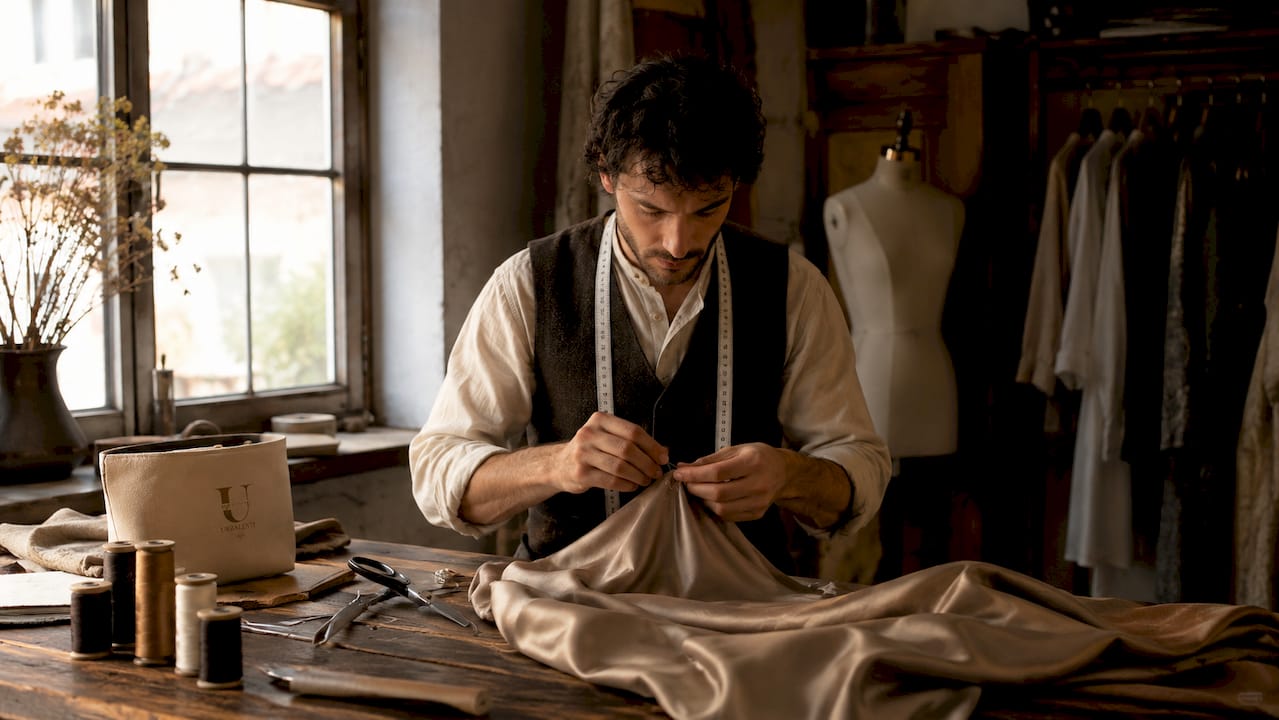
Counterfeit indicators are often visible at close range. Misspellings on care labels, uneven logo embroidery, plastic zippers on garments that should carry brass or YKK hardware, and mismatched lining colors are all documented red flags. The UK Intellectual Property Office specifically notes that authentic sellers describe their items transparently and that photos should be consistent with the item’s stated condition.
Unique design signatures also separate genuine pieces from copies. Golden Goose sneakers carry deliberate distressing applied by hand at the brand’s Italian factory. MM6 Maison Margiela garments include the brand’s signature four-stitch label sewn at a precise angle. These details are documented in brand archives and nearly impossible to replicate at scale.
Pro Tip: Inspect the interior of any garment first. Counterfeiters invest in visible exterior details but rarely replicate interior stitching, lining quality, or care label typography accurately. The inside of a jacket tells you more than the outside.
Manual verification follows a structured sequence. The UK IPO guidance outlines the core steps buyers should follow:
AI-powered authentication has changed the verification process significantly. Entrupy uses high-resolution phone imaging and machine learning to authenticate apparel with 99.86% accuracy in under five minutes. That level of precision exceeds what most human inspectors achieve on a consistent basis. Entrupy has also moved to a device-free model, meaning authentication now runs directly through a smartphone without specialized hardware. Capture quality and image angles remain critical for accuracy, so the technology demands careful use rather than casual snapping.
Authentication certificates deserve scrutiny. A certificate confirms that an assessment occurred, but it does not automatically confirm the method used or the examiner’s qualifications. Authentication claims should specify examination methods and examiner credentials. Without that transparency, a certificate is a document, not a guarantee.
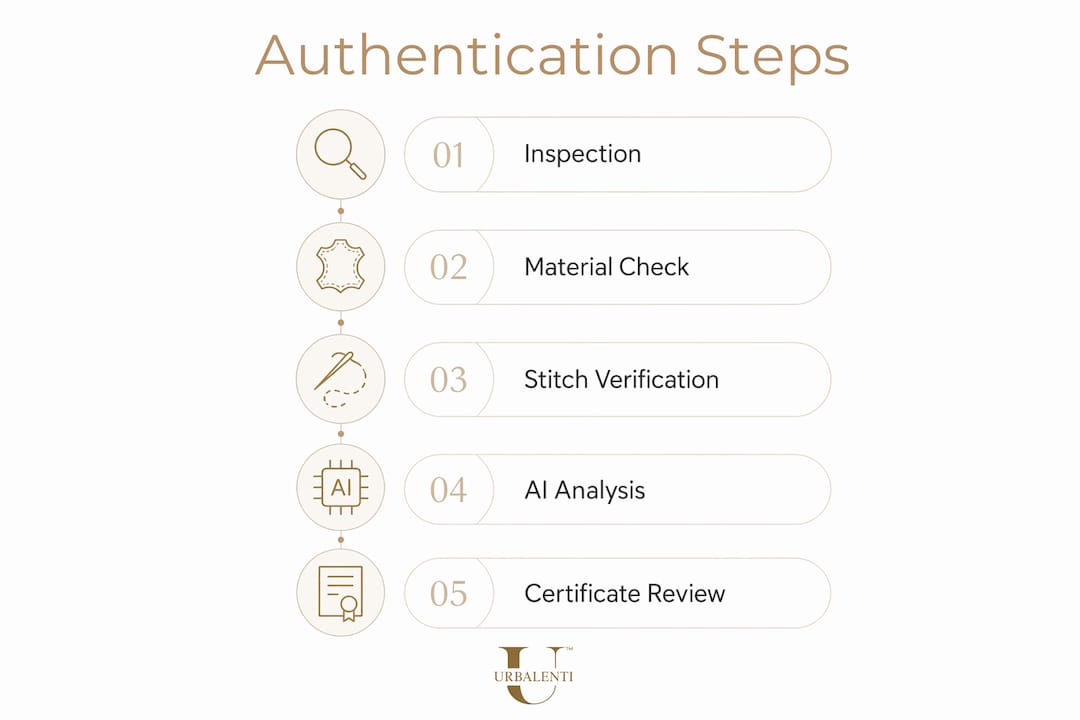
Pro Tip: When receiving an authentication certificate for a resale purchase, ask the seller or platform to specify the method used and who conducted the assessment. A certificate from a trained Entrupy-certified examiner carries more weight than a generic “authenticated” stamp.
Where you buy genuine designer apparel determines more than just price. The sourcing channel affects warranty coverage, repair eligibility, and the level of brand support you receive after purchase.
| Factor | Authorized retailer | Grey-market purchase |
|---|---|---|
| Physical authenticity | Guaranteed by brand | Often authentic, not guaranteed |
| Manufacturer warranty | Included | Typically void |
| Repair eligibility | Brand-supported | Usually excluded |
| Price | Full retail | 15 to 30% lower on average |
| Buyer protections | Full brand and retailer policies | Limited to seller terms |
| Counterfeit risk | Negligible | Present, varies by source |
Authorized retailers assure full manufacturer warranty and repair access. Grey-market acquisitions may carry physically authentic items but lose those rights entirely. That distinction matters when a Gucci leather jacket needs a zipper replaced or a Valentino coat requires professional cleaning under brand warranty terms.
The resale market presents a different risk profile. Platforms like Vestiaire Collective and The RealReal have built authentication infrastructure into their processes, but nearly 60% of buyers who received counterfeit pre-loved items experienced poor quality or refund difficulties. Many only identified the fake after the item arrived. That statistic reflects the gap between platform promises and execution at scale.
Shopping resale safely requires combining platform protections with personal verification. Use platforms that offer buyer guarantees, document the item on arrival with detailed photos, and cross-reference label details against brand specifications before the dispute window closes. For high-value pieces like authentic designer pants from Dolce & Gabbana or a Saint Laurent blazer, consider a third-party authentication service before finalizing the purchase.
Applying a consistent verification checklist reduces counterfeit risk across every purchase channel. The following practices reflect guidance from the UK IPO, Entrupy’s authentication framework, and experienced resale buyers.
For online purchases, resources like vintage item authentication guides and online shopping tips for fashion buyers provide additional context on verifying items before and after purchase.
Understanding brand authenticity in luxury fashion goes beyond individual item checks. It covers how fashion houses build and protect their brand identity, which informs what genuine pieces should look and feel like at every level.
Authentic designer clothing is defined by original design, premium materials, expert craftsmanship, and verifiable brand provenance. No single verification method is sufficient on its own. Combining seller checks, physical inspection, pricing analysis, and AI-powered tools like Entrupy produces the most reliable outcome.
| Point | Details |
|---|---|
| Materials and construction | Genuine pieces use premium fabrics and show tight, consistent stitching with no loose threads. |
| Authentication technology | Entrupy authenticates apparel at 99.86% accuracy via smartphone, faster than manual inspection. |
| Sourcing channel matters | Authorized retailers provide warranty and repair rights that grey-market purchases do not. |
| Documentation is protection | Retaining original packaging, receipts, and detailed photos supports disputes and resale value. |
| Certificates need context | An authentication certificate is only reliable when the method and examiner credentials are disclosed. |
The most common mistake I see shoppers make is treating an authentication certificate as the final word. A certificate confirms that someone looked at the item. It does not confirm how carefully, with what tools, or against what reference standard. I have reviewed certificates issued for items that failed basic label checks. The certificate looked official. The item was not.
What actually works is layering methods. Start with seller reputation. Move to photo comparison against brand references. Inspect the item physically on arrival before the dispute window closes. For anything above a few hundred dollars, add a technology-based check. Entrupy’s phone-based workflow makes this practical even for individual buyers, not just professional resellers.
The grey-market question is one I get asked about often. Yes, many grey-market items are physically authentic. But losing warranty coverage on a Givenchy coat or a pair of Golden Goose sneakers is a real cost, not a theoretical one. When the stitching on a premium item needs attention two years after purchase, authorized purchase history is what gets you brand support. That is worth factoring into the price comparison.
My consistent advice: buy from authorized sources when the budget allows, document everything when it does not, and never accept a certificate without asking who issued it and how.
— Admin Urbalenti
Urbalenti™ NYC sources genuine designer apparel directly from Milan, Italy, and ships worldwide via DHL Express. Every item in the catalog comes from verified brand channels, covering collections from Gucci, Valentino, Givenchy, Saint Laurent, Emporio Armani, Golden Goose, and more.
Current selections include the MM6 Maison Margiela Squared Toe Sandals and the Dolce & Gabbana Portofino Sneakers, both available with full authenticity assurance and dedicated client support from order to delivery. Browse the full range of designer fashion trends for 2026 to find pieces that combine verified provenance with current style direction.
Authentic designer clothing is produced by a recognized fashion house or designer using verified premium materials, expert construction, and brand-specific design details. It carries traceable provenance and meets the brand’s documented quality standards.
Check seller history, compare item photos against official brand references, and inspect craftsmanship on arrival within the platform’s dispute window. The UK IPO advises that authentic sellers describe items transparently and provide consistent, detailed photos.
Entrupy’s AI system authenticates apparel at 99.86% accuracy using smartphone imaging, making it one of the most reliable tools available. Accuracy depends on image quality and capture angles, so careful photography is required.
Authorized retailers provide manufacturer warranty and repair eligibility. Grey-market items may be physically authentic but lose warranty rights and brand support, even when the garment itself is genuine.
A certificate confirms an assessment occurred but is only reliable when the method and examiner qualifications are disclosed. Original receipts, dust bags, and branded packaging provide stronger supporting evidence alongside any certificate.
Leave a comment