
MY WISHLIST
MY WISHLIST

Designer fashion collecting is a provenance-first pursuit: you buy pieces with verifiable authenticity, documented history, and a plan for conservation, not just closet appeal. Treat these as non-negotiable filters, not optional upgrades.
Successful designer fashion collecting depends on verified provenance, layered authentication, and stable climate-controlled storage held between 60–75°F and 45–55% humidity.
| Point | Details |
|---|---|
| Archival beats vintage | Prioritize pieces tied to a designer’s collection or milestone, not just garments over 20 years old. |
| Authenticate in layers | Start with visual checks, then use forensic tools or digital provenance for high-value pieces. |
| Document everything | Keep receipts, photos, and certificates in a stored evidence packet for every purchase. |
| Control the environment | Store pieces at 60–75°F and 45–55% humidity to prevent fiber and mold damage. |
| Buy from vetted sources | Urbalenti™ NYC offers verified authentic inventory curated in New York and fulfilled from Milan. |
Archival and vintage get used interchangeably, and that’s a mistake collectors pay for later. Vintage simply means a garment is 20 years old or older. Archival means the piece carries real weight in fashion history: a runway sample, a limited production run, or a garment tied to a designer’s defining season. Sotheby’s frames archival fashion around historical or industry significance rather than age alone, and that distinction is the entire game.
A 30-year-old department-store blazer is vintage. A collection sample from a designer’s breakout runway show is archival, even if it’s only 10 years old. Rarity paired with documented provenance drives value far more than the calendar does.
Knowledgeable collectors study era markers and designer trajectories before they buy, which is why GQ’s guide to archival collecting treats homework as the real entry fee, not the price tag.
Sourcing well is half the collection. Auction houses like Sotheby’s specialize in curating historically significant pieces and give you an existing chain of provenance, which is valuable but comes with buyer’s premiums and competitive bidding. Specialist dealers offer more personal sourcing and negotiation room, though vetting the dealer matters as much as vetting the garment. Curated retailers, including Urbalenti™ NYC, give you authenticity guarantees and faster access without an auction timeline. Private sales can offer discretion and price flexibility, but you carry the full authentication burden yourself.
Before you commit to any purchase, run these checks:
Pro Tip: Save every seller message and photo before you pay, not after. If a dispute or resale comes up later, a pre-purchase paper trail is worth more than any promise made after the fact.
Modern authentication for luxury items works in layers, not one silver-bullet check. Selinko’s overview of luxury verification describes this shift toward multi-layered verification, and it’s now the standard collectors should expect, not an upsell.
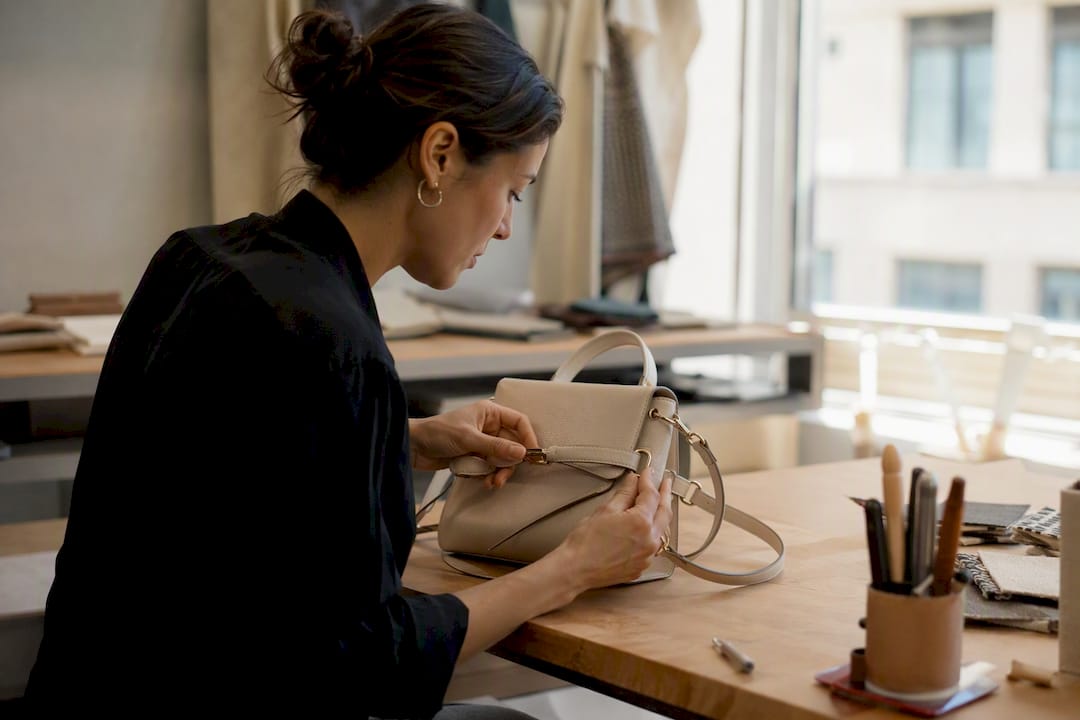
Layer one: visual inspection. Check labels, font consistency, stitch count and pattern, hardware weight and engraving, material texture, and era-accurate serial or date codes. This step catches most obvious fakes and costs nothing but time.
Layer two: forensic methods. For high-value pieces, UV light exposes inconsistent dye batches, and X-ray or internal structure checks reveal construction shortcuts invisible to the eye. Material analysis can confirm fabric composition claims that don’t match the era or brand.
Layer three: digital provenance. Blockchain-backed signatures, QR-linked ownership records, and registered digital certificates are increasingly part of the authentication toolkit for luxury products, and they belong in your evidence packet alongside physical documents.
| Authentication layer | Tools used | Best for |
|---|---|---|
| Visual | Labels, stitching, hardware, serial codes | Everyday purchases, initial screening |
| Forensic | UV light, X-ray, material analysis | High-value or contested pieces |
| Digital provenance | Blockchain records, QR codes, digital certificates | Resale, insurance, auction consignment |
Urbalenti™ NYC’s authentication guide walks through these visual markers in more detail for readers building their own screening habit.
Pro Tip: Treat authentication like a risk workflow: screen everything yourself first, then escalate to a paid authenticator like Entrupy or an independent specialist once the piece’s value exceeds what you’re willing to lose on a mistake.
Third-party services such as Entrupy use forensic image comparison for handbags and accessories, and they’re worth the fee once a single item’s price crosses into four or five figures. Below that threshold, careful self-authentication using Underpriced.app’s authentication framework is often sufficient.
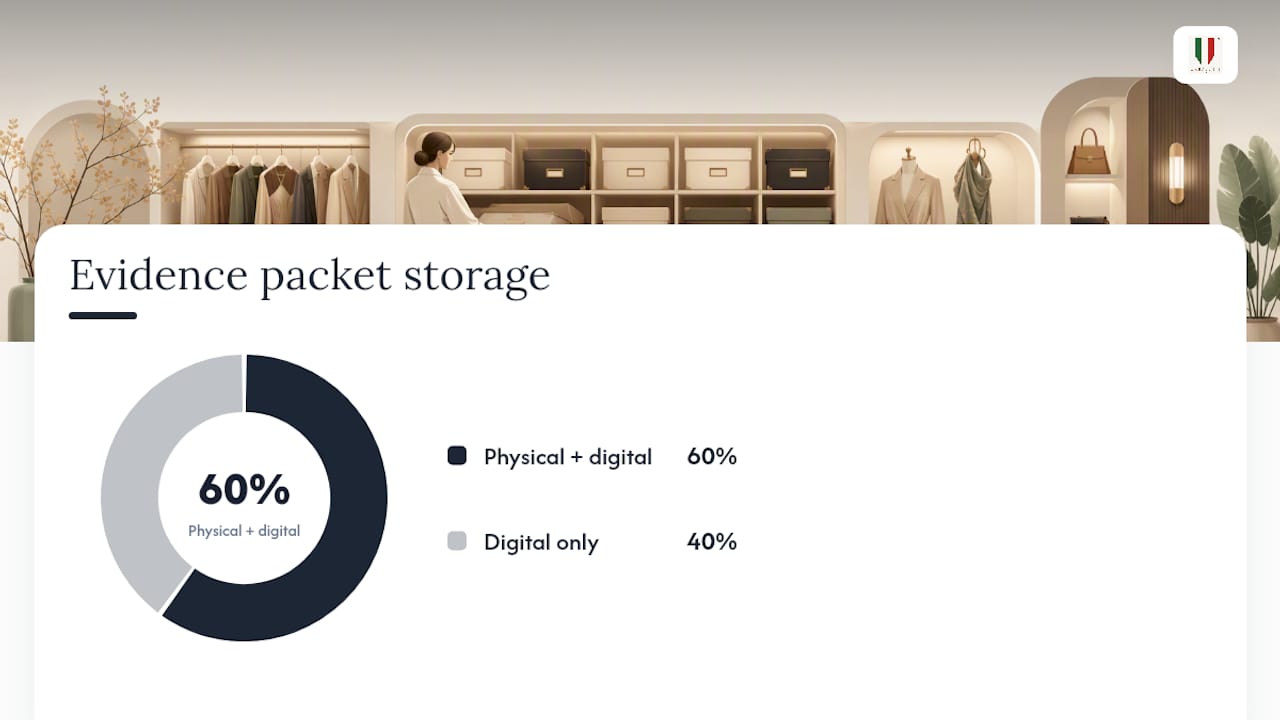
Provenance isn’t a nice-to-have. It’s what separates a collectible from a guess. Keep an evidence packet for every meaningful purchase: original receipt or invoice, all seller communications, pre-purchase and intake photographs, any certificates or authentication reports, and transfer-of-ownership records if the piece has changed hands before.
Store both digital and physical copies. Physical documents can be lost or damaged; digital copies can be corrupted or misplaced without backup. Keep both, and store the digital set in at least two locations.
| Evidence packet item | Format to keep |
|---|---|
| Receipt or invoice | Physical original plus scanned copy |
| Seller communications | Screenshots or exported email thread |
| Intake photographs | High-resolution digital files, dated |
| Authentication certificate | Physical original plus scanned copy |
| Ownership transfer record | Signed document, digital copy stored separately |
Environment stability matters more than any single cleaning product. Experts recommend holding storage at 60–75°F (15–24°C) with relative humidity between 45% and 55% to prevent brittle fibers and mold growth. Fluctuation, not just extremes, is what damages textiles over time.
Use breathable garment bags instead of dry-cleaner plastic, which traps moisture and accelerates yellowing. Acid-free tissue in folds and sleeves prevents crease damage. Proper hangers preserve shoulder shape, and shoe trees keep leather footwear from collapsing.
After each wear, let garments rest before rehanging, and steam rather than dry clean whenever possible. Frequent dry cleaning and over-conditioning leather can cause long-term embrittlement and residue buildup, so treat both as occasional interventions, not routine maintenance.
Pro Tip: If you’re storing more than a handful of high-value pieces, a climate-controlled storage unit or dedicated closet system pays for itself the first time it prevents a single mold or fading incident.
Four factors drive valuation: rarity, provenance, condition, and how significant the piece is to a designer’s era or a specific collection. Market demand shifts these numbers season to season, but provenance and condition are the levers you control before a sale.
Commission a condition report and an independent authentication certificate before listing anything of real value. Both documents reassure buyers and often justify a higher asking price.
Insurance for a designer fashion collection typically works as a scheduled personal property policy or a rider on an existing homeowner’s or renter’s policy, itemizing each high-value piece individually. Talk to your insurer about appraisal requirements before you assume a piece is covered under a general policy.
Realistically, expect four to eight weeks from sourcing to a fully authenticated, stored, and insured piece, longer if you’re waiting on a specific auction date or a dealer’s provenance research.
Designer fashion collecting has gotten more crowded and more scrutinized at the same time. Buyers are savvier about provenance, and sellers face more pressure to document what they’re offering. Urbalenti™ NYC was built around that reality: every piece we offer is 100% authentic, curated in New York, and fulfilled from Milan’s fashion network, which means collectors get access to genuine inventory without guessing where it came from.
Supporting collectors well means more than selling garments. It means standing behind documentation, shipping securely worldwide, and being transparent about sourcing from the first listing to the final delivery.
Urbalenti™ NYC gives collectors something most sourcing channels can’t: every item is verified authentic before it’s ever listed, so you skip the guesswork that eats up hours of due diligence elsewhere. Our inventory is curated in New York and fulfilled from Milan, and every order ships worldwide via DHL Express, often arriving faster than buyers expect from an international seller.
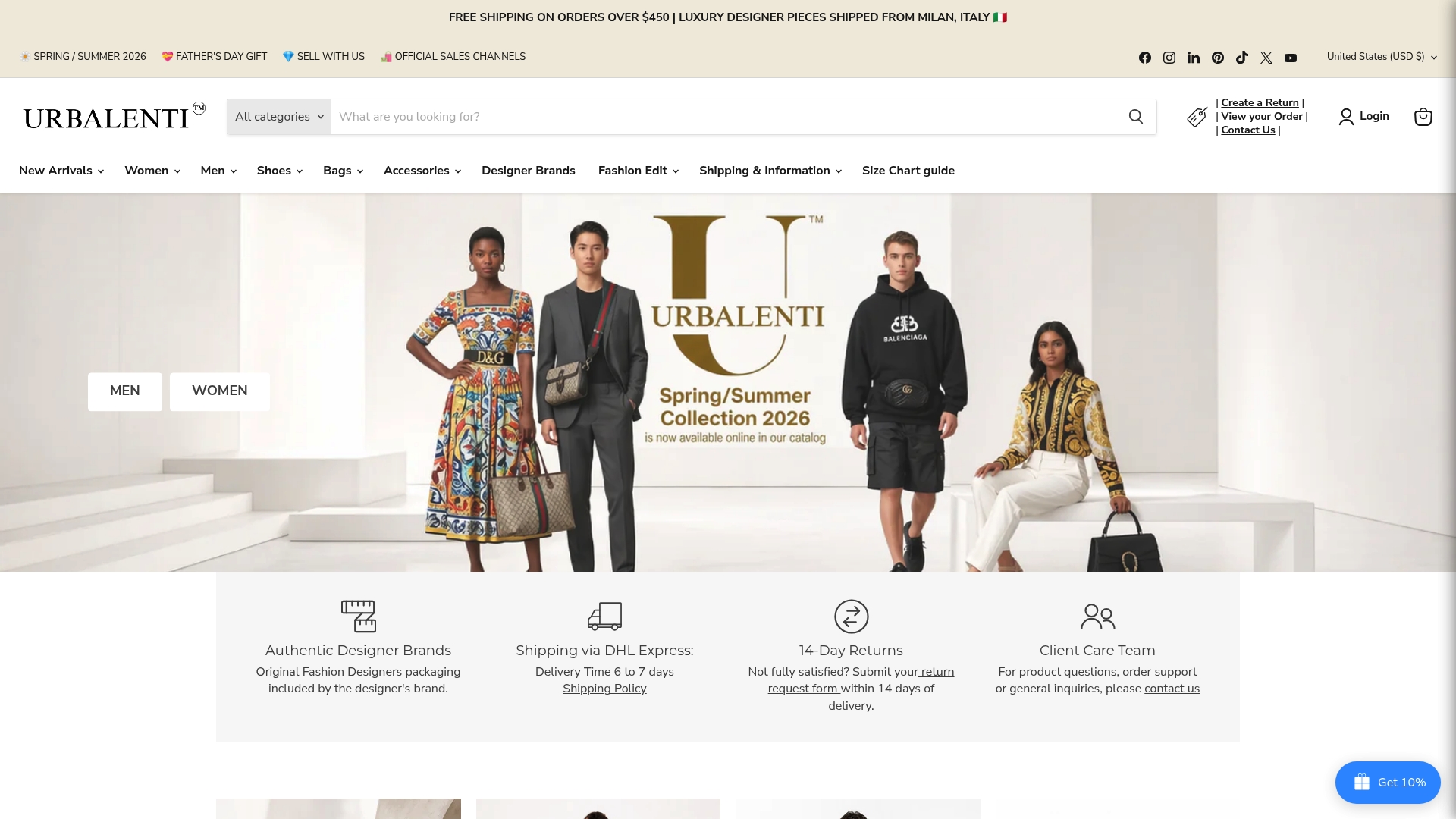
Whether you’re building toward archival pieces or starting with strong, well-made staples, our catalog gives you a reliable entry point. Browse footwear like the Kiton Fitb sneakers or the Kiton Running sneakers, or start simpler with the Veja Esplar sneakers or Golden Goose joggers. Every listing includes the documentation you need for your own evidence packet from day one. Visit Urbalenti™ NYC to shop the current curated selection or reach out for guidance on sourcing a specific piece.
Archival refers to pieces tied to a designer’s specific collection, runway show, or career milestone, distinguished by historical significance rather than age alone.
Budget should cover the purchase price plus authentication fees, storage setup, and insurance, since all four costs affect what you can safely collect.
Pay for professional authentication, such as Entrupy or an independent specialist, once a piece’s value exceeds your personal loss tolerance or before consigning it to auction.
Keep relative humidity between 45% and 55% and temperature between 60°F and 75°F to prevent brittle fibers and mold.
Curated retailers like Urbalenti™ NYC, established auction houses like Sotheby’s, and vetted specialist dealers are the safest sourcing channels for verified pieces.
Leave a comment