
MY WISHLIST
MY WISHLIST

If you’re searching for Italian linen clothing online, Urbalenti™ NYC is a curated, trustworthy place to start: the store is fulfilled directly from Milan, every listing carries an authenticity guarantee, and orders ship worldwide via DHL Express. That combination, origin transparency plus fast delivery, is what separates a reliable linen purchase from a guessing game.
The rationale is straightforward. Product pages list fiber content and country of origin instead of vague marketing copy. Curation covers both men’s and women’s pieces from established Italian labels, so you’re not sifting through unrelated inventory to find a linen shirt or dress. And because fulfillment happens in Milan rather than a third-party warehouse, the chain between brand and buyer stays short.
Before you check out, take these three steps:
Authentic Italian linen shopping comes down to verifying fiber content and origin on the product page, matching your size to the garment’s actual measurements, and buying from a seller that ships transparently from Italy.
| Point | Details |
|---|---|
| Confirm origin first | Check that the product page states “Made in Italy” and lists specific fiber content, not vague blend language. |
| Match GSM to season | Choose lightweight linen (roughly 100 to 150 GSM) for hot climates, midweight for year-round versatility. |
| Size by measurement chart | Use chest, waist, hip, and length measurements rather than trusting a generic size label. |
| Wash cold, dry low, iron damp | Follow this three-step routine to avoid shrinkage and preserve linen’s natural texture. |
| Check shipping and returns upfront | Confirm DHL Express availability and the stated returns window before you buy. |
| Shop a verified source | Urbalenti™ NYC fulfills every linen order from Milan with documented authenticity and origin specs on each listing. |
Urbalenti™ NYC’s linen inventory spans the categories fashion-conscious shoppers actually search for: shirts, trousers, dresses, and lightweight outerwear, sized for both men and women. The selection isn’t an afterthought bolted onto a broader designer catalog. It reflects specific curation choices tied to Italy’s reputation for linen weaving and finishing — the kind of expertise buying from Italian producers is known for.
Trust signals run through the shopping experience rather than sitting in a separate policy page. Every listing includes an authenticity statement, and Urbalenti™ NYC fulfills orders from Milan with DHL Express as the standard worldwide shipping method. Product detail pages show fiber composition and origin fields instead of generic descriptions, which matters when you’re trying to judge whether a $200 linen shirt is worth the price versus a $600 one.
Typical price bands break down roughly like this:
A white linen T-shirt from Brunello Cucinelli is a useful reference point. Its product page lists material composition and origin details directly, which is exactly the transparency you should expect from any listing before you commit to a purchase.
Pro Tip: If you’re unsure about fit or fabric weight before buying, contact customer service directly rather than guessing from photos alone. A quick question about drape or sizing can save you a return.
The fastest checks are the product’s origin field, its listed material composition, seller provenance, and photography sharp enough to show weave and stitching detail. If a listing is missing any of these, treat that as a signal to look elsewhere or ask questions before buying.
Run through this sequence on any product page:
Payment security matters just as much as product authenticity. Look for SSL encryption (the padlock icon in your browser), recognizable payment processors, and a clear invoice generated at checkout. A seller that can’t produce a proper receipt with itemized pricing is a seller worth avoiding.
Pro Tip: If a product page feels thin on detail, email customer service and ask for a close-up of the woven label or a factory reference. A seller confident in its sourcing will answer quickly and specifically. One that goes vague or defensive is telling you something.
Copy this quick checklist before you buy:
Practical guidance on shopping Italian luxury online covers these credibility checks in more depth if you want additional reference points before making a bigger purchase.
True linen is 100% flax fiber, and that distinction changes everything about how a garment feels, breathes, and ages. Blends, whether with cotton, silk, or synthetic fiber, alter drape, durability, and care requirements, so read the composition line before you read the price.
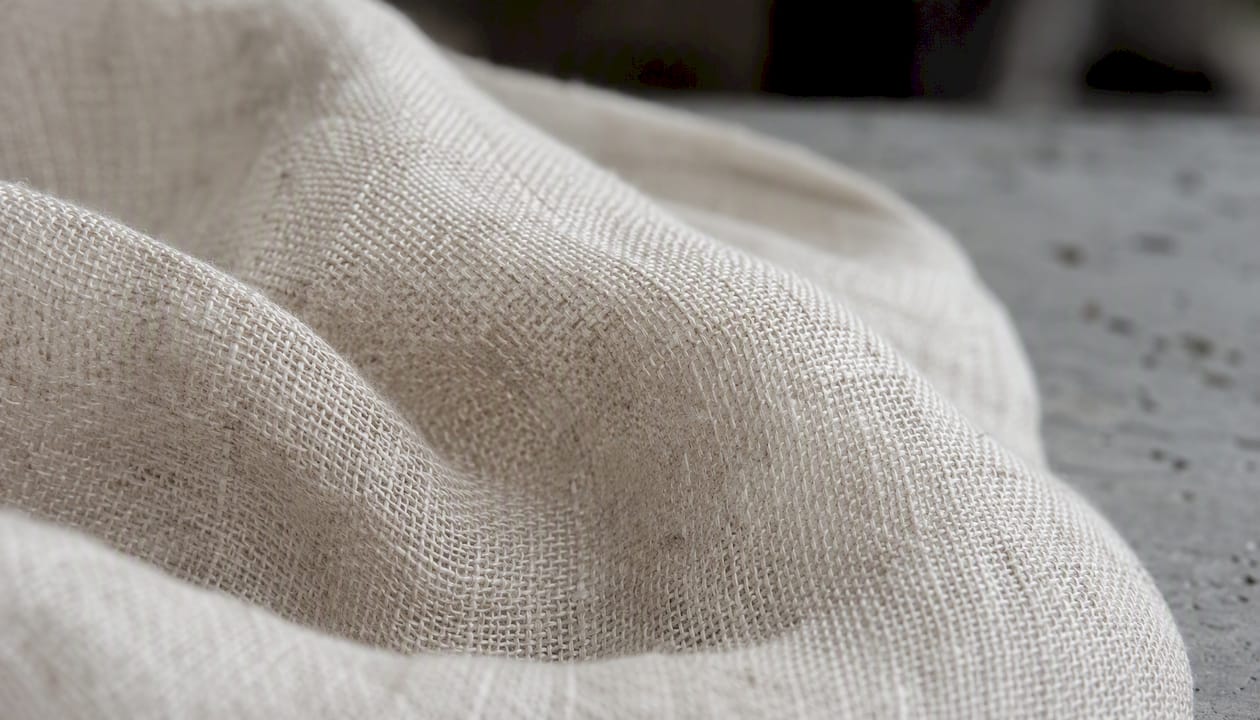
Weave and finish determine texture as much as fiber does. A plain weave gives you the classic crisp linen hand-feel. Slub linen has visible texture variation in the yarn, prized for a more casual look. Washed or “stone-washed” finishes soften the fabric before it ever reaches you, reducing that initial stiffness some buyers dislike. Stretch linen, usually a small percentage of elastane blended in, trades some breathability for ease of movement.
Weight matters more than most shoppers realize. Linen is typically measured in grams per square meter (GSM):
Small blend percentages change the equation. A touch of cotton adds softness but can reduce linen’s natural cooling effect. Silk blends add sheen and drape at the cost of some durability. Synthetic blends, meanwhile, tend to work against the entire reason people choose linen in the first place: breathability. If a listing buries the blend ratio or uses vague language like “linen-feel,” that’s a red flag worth noting.
When you’re reading a product page, look for photos that show the fabric under natural light, close enough to judge weave density. Thin, uneven hems or puckered seams in photos usually mean lower construction quality, regardless of what the description claims.
Pro Tip: Zoom into hem and cuff photos before buying. A clean, flat-felled hem with consistent stitching is a strong indicator of quality construction, even when you can’t touch the fabric yourself.
Choose your size based on the intended fit, relaxed or tailored, and check the garment’s actual measurement chart rather than relying on the size label alone. Linen behaves differently from cotton or synthetic fabric, and a size medium from one Italian label won’t necessarily match another.
Before ordering, gather these measurements:
Styling depends on the piece and the occasion. A linen shirt worn loose and untucked reads casual; the same shirt tucked into tailored trousers with a blazer reads dressed-up. Trousers with a slightly wider leg suit linen’s natural drape better than a slim cut, which can look boxy in a heavier fabric.
Gender-specific fit notes are worth flagging directly:
If a piece runs sheer, which is common with lightweight linen, consider a slip or lining rather than sizing up. Sizing up to compensate for sheerness usually just adds unwanted bulk instead of solving the problem.
Common fit adjustments worth knowing:
The safest routine is a gentle or cold machine wash, line-drying or a low tumble setting, and light steam ironing while the fabric is still slightly damp. Skipping any of these steps is usually what leads to shrinkage, dulling, or a permanently wrinkled look that no amount of ironing fixes later.
Care labels use standard symbols: a washtub icon with a number indicates maximum water temperature, a triangle means bleach is or isn’t allowed, and a circle inside a square refers to dryer settings. A crossed-out iron means skip pressing entirely, while a dotted line under the iron symbol usually signals a lower heat setting appropriate for delicate linen blends.
Pro Tip: Hang linen garments on a padded hanger right out of the wash instead of folding them while damp. Gravity does most of the wrinkle-smoothing work, cutting down on how much ironing you need later.
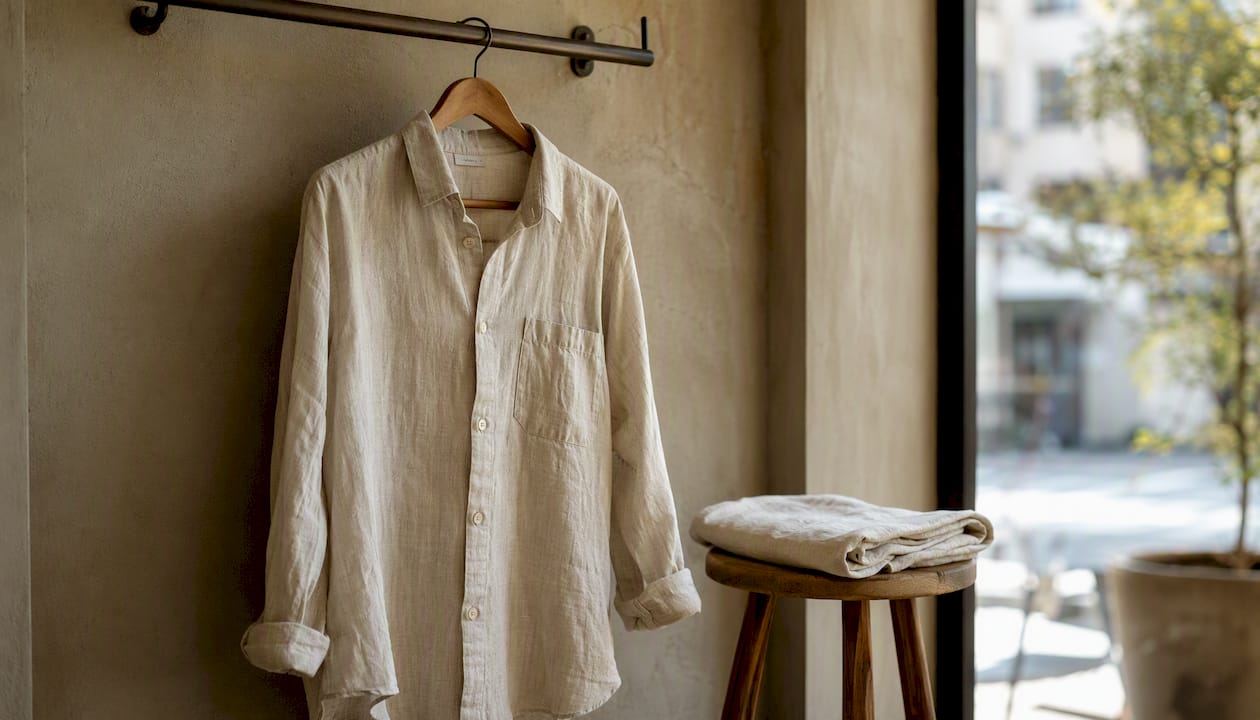
Some linen pieces, particularly those with structured tailoring, silk blends, or dark dye that can bleed, are labeled dry-clean only. Follow that label rather than risk a home wash on a piece with complex construction or unstable dye.
Expect Milan-to-U.S. delivery in a fast window when you choose DHL Express, along with a clearly stated returns policy on each product page before you buy. Both details should be visible before checkout, not something you discover after the fact.
Shipping specifics worth knowing:
Price ranges for authentic Italian linen vary by category and brand tier:
| Category | Typical Low | Typical Mid | Typical High |
|---|---|---|---|
| Linen shirts / tees | $150 | low hundreds | mid-range pricing |
| Linen trousers | $200 | mid-range pricing | higher pricing |
| Linen dresses | low hundreds | higher pricing | higher pricing |
| Linen outerwear | mid-range pricing | $600 | higher pricing |
A beige linen casual pant from Brunello Cucinelli illustrates where mid-to-premium trousers land in that range, with full pricing and material detail listed directly on the product page.
Returns and customer service should be straightforward: a stated return window, clear instructions for initiating an exchange, and a direct contact point for pre-purchase sizing questions. Secure checkout means recognizable payment processors, visible SSL encryption, and an itemized invoice generated automatically once your order confirms.
Every linen listing at Urbalenti™ NYC goes through verification before it reaches the site: authenticity is guaranteed, and each item ships from Milan with documented material and origin specs attached to the listing itself.
Curation follows a consistent process:
An authenticity badge or statement on a product page certifies that the item has passed this verification chain, from brand sourcing through to the Milan warehouse. You can see the pattern in action on a listing like the Brunello Cucinelli white linen T-shirt, where origin and material fields sit right alongside the price and sizing information, not buried in a separate policy document.
Milan fulfillment paired with DHL Express shipping serves as a trust signal in its own right: it means the distance between sourcing and delivery stays short and accountable rather than routed through anonymous intermediaries.
Pro Tip: If you want provenance detail beyond what’s listed, Urbalenti™ NYC’s customer service can usually provide additional product photography or sourcing notes on request. Ask specifically for what you want to see rather than a general “is this authentic” question, since specific requests get specific answers.
Linen earns its place in a curated collection because it rewards attention to detail in a way few other fabrics do. Get the weave, weight, and finish right, and it becomes one of the most versatile pieces in a warm-weather wardrobe. Get it wrong, and you end up with something that wrinkles badly, fits poorly, or falls apart after a handful of washes.
Balancing authenticity with every day wearability is the constant tension in curating this category. It would be easy to stock only the highest-GSM, most structured linen pieces and call it a quality signal, but that ignores how people actually want to wear linen in the summer: light, breathable, a little relaxed. The goal is matching real Italian sourcing, verified fiber content, honest weight specifications, with pieces people will actually reach for on a hot afternoon, not just admire on a hanger.
That’s part of why Italian fashion’s global standing keeps showing up in conversations about where quality linen comes from. The craftsmanship reputation isn’t marketing shorthand. It reflects decades of weaving and finishing expertise that’s genuinely difficult to replicate at scale elsewhere, and it’s the reason Milan fulfillment matters as more than a logistics detail.
Urbalenti™ NYC gives you a direct path to authentic Italian linen without the guesswork of sorting through unverified third-party sellers: every listing carries an authenticity guarantee, ships from Milan, and arrives via DHL Express worldwide shipping.
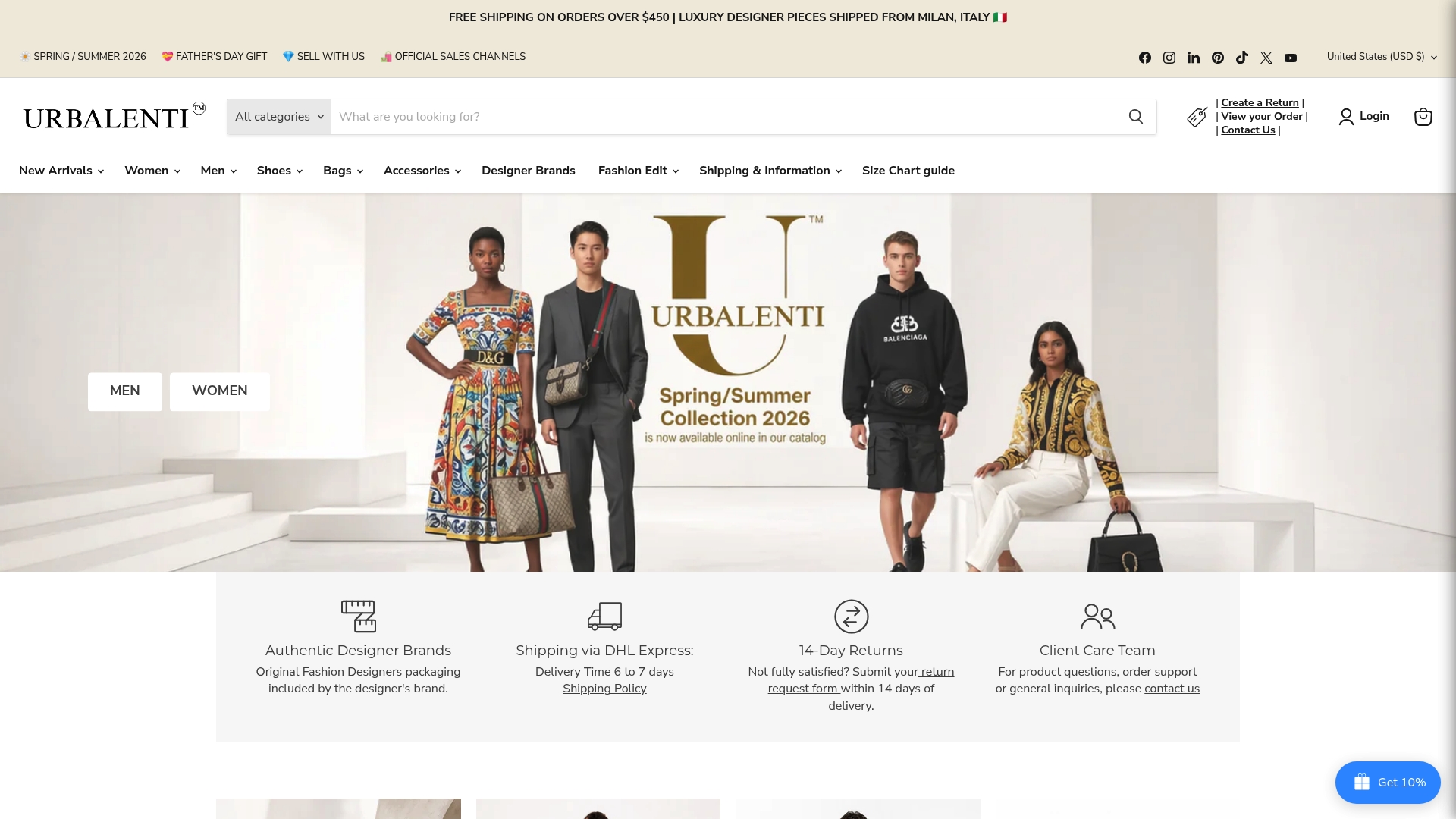
Beyond linen, the curated catalog spans sneakers, outerwear, and accessories for shoppers who want one trusted source for authentic pieces rather than juggling multiple sellers. The Kiton Fitb sneakers and the Stone Island cotton crewneck show the same product-page transparency, material labeling, multi-angle photography, and origin detail, that you’ll find on every linen listing.
A few reasons shoppers stick with Urbalenti™ NYC:
If you have a specific fit or material question before buying, reach out through Urbalenti™ NYC directly. Otherwise, browse the current linen selection, check the origin field on any piece you like, and add it to your cart when you’re ready.
Brunello Cucinelli is among the most recognized names for authentic Italian linen, known for its material transparency and finishing quality, and its pieces are available through Urbalenti™ NYC with full origin and fiber details listed on each product page.
The right store depends on what you value most, but a strong option prioritizes verified authenticity, transparent product specs, and reliable shipping. Urbalenti™ NYC meets those criteria by fulfilling every order from Milan with DHL Express and documented origin details on each listing.
Look for a seller that lists fiber content and country of origin directly on the product page, ships from a verifiable location, and offers a clear returns policy. Urbalenti™ NYC covers all three, curated from New York and fulfilled from Milan.
Italy is home to many globally recognized fashion labels, and the popularity of any single brand shifts with trends and category. Within linen specifically, Brunello Cucinelli stands out for its reputation in material quality and craftsmanship.
Check the product page’s origin field, confirm the fiber content states a specific percentage, and look for detailed, multi-angle photography that shows construction quality. A seller that fulfills from Italy and documents these details, as Urbalenti™ NYC does, gives you a traceable point of verification.
Leave a comment