
MY WISHLIST
MY WISHLIST

For most professionals, sneakers win on days built around walking or standing, and loafers win when a meeting-heavy or formal day calls for polish. Check your office dress code first. InStyle’s testing of work sneakers over 800 hours backs the comfort case, while Urbalenti™ NYC stocks both categories for whichever day you’re facing.
TL;DR:
- Sneakers excel for long periods of standing or walking, thanks to cushioned midsoles, but may struggle with durability and formal style in office settings.
- Loafers are more polished and suitable for client meetings, though they lack shock absorption and require regular upkeep to maintain their appearance.
- Choosing footwear depends on daily movement, office dress code, and the need for style versus comfort, with a strategic swap often providing the best balance.
- Leather remains the best material for long-term durability and moisture resistance, while canvas and suede show dirt faster and need extra care in wet weather.
- Rubber-soled sneakers with textured treads provide better slip resistance on polished floors, making safety a key consideration in environments with slick surfaces.
The comfort gap between these two shoe types comes down to construction, not brand loyalty. Sneakers build in cushioned midsoles designed to absorb shock with every step, while loafers rely on thinner soles and minimal arch support that were never engineered for long stretches on your feet. That single difference in construction and shock absorption explains most complaints about loafers on high-mobility days.
Formality works in the opposite direction. A loafer’s leather finish, closed silhouette, and stacked heel read as intentional and polished in ways a sneaker rarely matches, even a minimalist one. Sneakers can still hold their own in business-casual settings, but editors and stylists consistently point to clean, neutral, low-profile shapes as the ones that pass the office test. Glamour’s styling guidance draws that line clearly: keep them minimal, keep them clean, and skip anything that resembles a running shoe.
Durability plays out differently for each. Sneaker outsoles tend to resist daily wear well, but the upper materials, especially white or light leather, show scuffs fast. Loafers hold their shape longer structurally, but suede and unpolished leather need real upkeep to stay presentable.
Here’s how the two stack up across the factors that matter most for a workday:
Pro Tip: If your office allows sneakers but you’re unsure they’ll pass muster in a client meeting, test them against a simple rule: would this shoe look at home next to a tailored blazer? If not, it’s probably too casual.
According to InStyle’s testing across more than 800 hours, several minimalist leather sneakers held up for full workdays once fitted with supportive insoles, proving comfort and office polish aren’t mutually exclusive when the shape and materials are right.
Three quick checks settle most wardrobe debates before you’ve finished your coffee.
That tactical swap, cushioned sneakers for the commute, polished loafers waiting at the office, solves the comfort-versus-formality tension without forcing a compromise either way.
Pro Tip: If your week alternates between desk days and site visits, keep one clean sneaker and one loafer in rotation rather than trying to find a single shoe that does both jobs adequately.
The right silhouette does more work than the shoe brand ever will.
For sneakers, keep the lines clean: tailored trousers with a slight taper, a structured blazer, or a shirtdress in a neutral tone. Stick to white, black, or tonal color schemes, and avoid anything with a chunky sole or visible branding. A designer sneaker in a low-top, minimalist shape reads far more intentional than a bulky trainer, no matter how expensive the trainer is.
For loafers, chinos and tailored trousers are the safest bet, and midi skirts with a slim ankle-baring hem work well for a more polished look. Penny loafers dress up easily with a crisp trouser; tassel loafers can look heavier, so pair them with simpler, cleaner separates to balance the detail.
Editorial guidance consistently favors minimal silhouettes for both categories. For more outfit formulas built around designer pieces, Urbalenti™ NYC’s office styling guide walks through seasonal pairings in more depth.
Leather is the safer long-term investment for both shoe types. It resists moisture better than suede, holds its shape, and can be conditioned to look fresh for years. Suede looks refined but stains easily and struggles in wet weather. Canvas and mesh sneakers breathe well but show dirt fast and rarely survive a rainy commute in good shape.
A short care routine goes a long way:
GQ’s material breakdown confirms the trade-off: canvas and suede may look great on day one, but leather earns its keep over a full season of office wear.
Urbalenti™ NYC curates authentic designer sneakers and loafers, sourced through established European channels and fulfilled from Milan for fast, DHL Express worldwide shipping. That fulfillment model means the same catalog serving New York reaches international offices without added friction.
The assortment includes minimalist leather sneakers built for business-casual settings and refined loafers suited to client-facing days, all verified authentic before they ship. Every recommendation here reflects that catalog, not a generic wish list, curated with an eye toward what actually holds up during a real workweek.
Slip resistance depends far more on outsole material and tread pattern than on whether a shoe is labeled a sneaker or a loafer. Rubber outsoles with textured tread, common on most sneakers, generally grip better on polished floors, tile, and wet entryways than the smooth leather soles found on many traditional loafers.
That distinction matters most in workplaces with hard flooring: hospitals, retail environments, warehouses, or any office with marble lobbies and rain-slicked entrances. A smooth leather sole can turn a quick walk across a lobby into a genuine hazard during wet weather.
Loafers aren’t automatically unsafe. Many now come with rubber or lightly textured soles specifically to address this gap, so it’s worth checking the sole construction before assuming a dress shoe is off-limits for practical reasons. If your role involves a lot of movement between floors, elevators, or outdoor entrances, a sneaker with a grippy rubber outsole is the lower-risk choice regardless of dress code preferences.
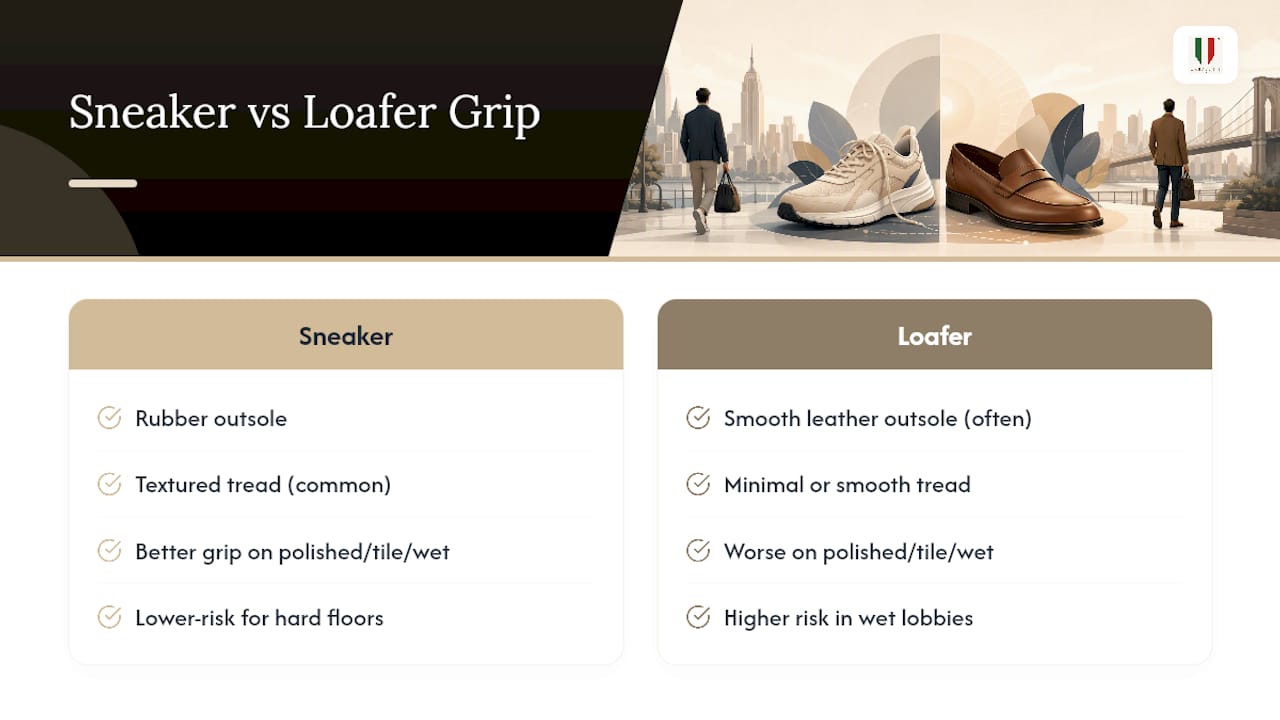
For anyone standing on their feet for extended shifts, whether that’s a retail floor or a hospital corridor, slip resistance should outrank formality in the decision. A stylish loafer that sends you sliding across a wet floor isn’t doing its job, no matter how sharp it looks in a meeting.
Price ranges for both categories vary widely depending on materials, construction, and brand positioning, so budgeting comes down to matching spend to how often you’ll wear the shoe and how much punishment it needs to survive.
Entry-level sneakers built for office wear typically sit in a lower price bracket than premium leather versions, but the trade-off usually shows up in durability and how the shoe ages after repeated wear. Premium leather sneakers and loafers command a higher price point, reflecting better materials, more resilient soles, and construction meant to be resoled rather than replaced.
For loafers specifically, suede options tend to cost less upfront than full-grain leather but require more careful upkeep and generally show wear faster. Leather loafers with proper welt construction cost more initially but often outlast several cheaper pairs, making them a better long-term value for anyone wearing them several days a week.
If you’re building a work wardrobe from scratch, prioritize one well-made pair in each category over several inexpensive pairs in both. A single durable sneaker and a single durable loafer, properly cared for, will outperform a rotating stock of budget options over a two or three year span. The assortment spans a range of price points within each category, so the budgeting decision comes down to how often the shoe needs to perform, not just the sticker price.
Breathability affects comfort in ways that only show up after several hours on your feet, which is exactly when it matters most for a full workday. Mesh and knit sneaker uppers allow airflow that keeps feet cooler during long shifts, while full leather sneakers trap more heat but offer better structure and a more polished look.
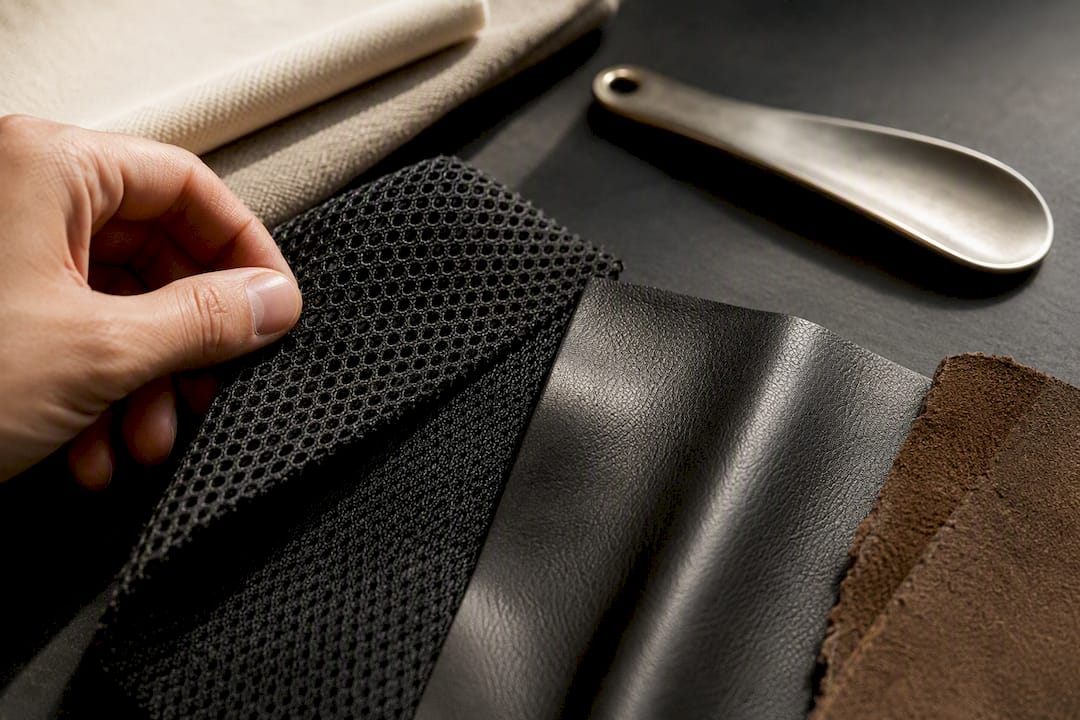
Loafers made from leather or suede breathe less than mesh sneakers, and because they’re typically worn without heavy socks, temperature regulation depends more on the shoe’s internal lining than the upper material. Unlined leather loafers tend to run warmer in summer months than lined versions, which can matter on a long day without a break to change shoes.
For professionals spending most of the day walking between meetings or moving through a large office, breathable mesh or knit sneakers reduce the discomfort that builds up by mid-afternoon. For desk-based roles with minimal movement, breathability matters less than fit and structure, since the shoe isn’t working as hard to manage moisture and heat throughout the day.
Seasonal swaps help here too. Lighter, more breathable sneakers make sense for summer commutes, while leather options with better insulation suit colder months when warmth outweighs airflow. The same logic applies to loafers: a lined leather loafer holds up better in winter, while an unlined suede version breathes slightly better in warmer weather.
Minimalist sneakers keep gaining ground in business-casual offices, but loafers are staging a real comeback among professionals who want something more polished than a trainer. The smartest approach isn’t picking a side. Rotate both, matched to the day’s demands and the client in front of you.
— Admin Urbalenti™ NYC
Urbalenti™ NYC gives you direct access to authentic designer sneakers and loafers without wading through resale markups or guessing at sourcing. Every piece ships from Milan with fast, DHL Express worldwide delivery, and every item is verified authentic before it leaves the warehouse.
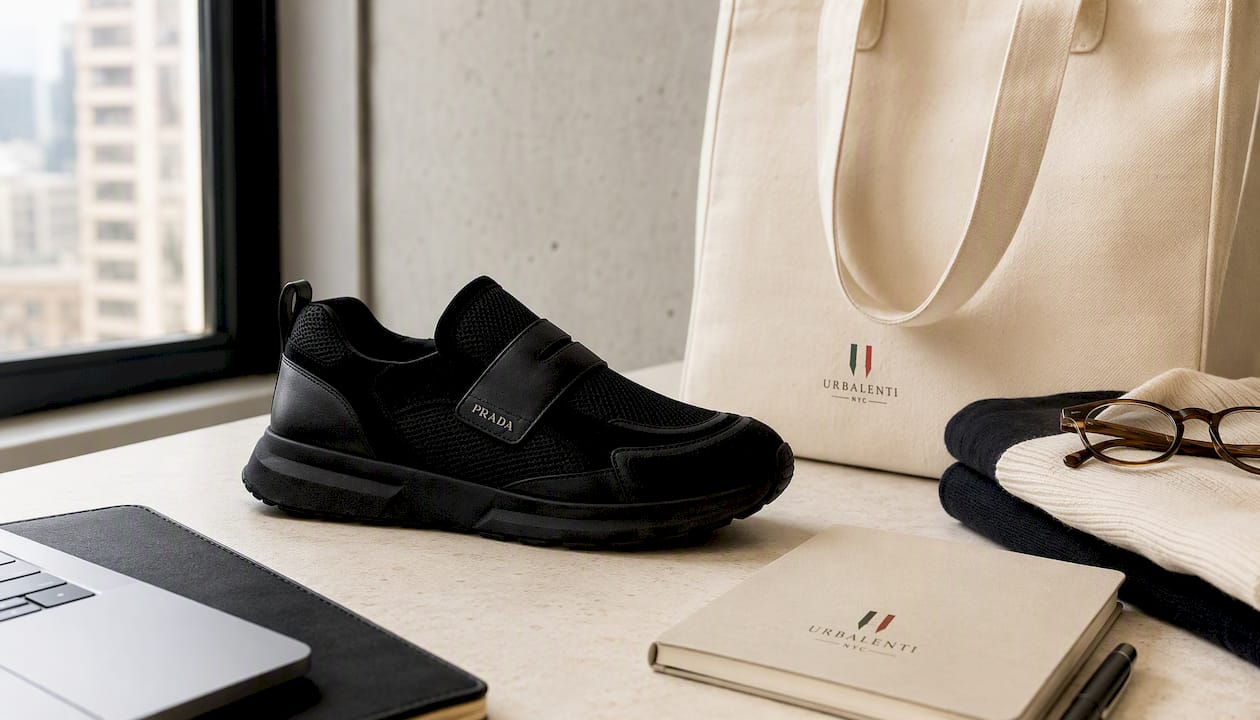
A few work-ready options worth a look:
Browse the full assortment and check current availability before your next order.
Yes, for meeting-heavy or seated workdays where formality matters more than mobility. Loafers offer a more polished look, though they lack the cushioning sneakers provide for long stretches on your feet.
In most offices, loafers are considered appropriate and often safer than sneakers in client-facing or conservative settings. Business-casual guidance generally treats leather loafers as a dependable default.
Neither wins outright. Sneakers offer better comfort and support for active days, while loafers offer more formality for polished, client-facing situations.
Yes. Reporting from The New York Times points to a genuine resurgence of loafers among professionals, even as sneakers remain widely worn in business-casual offices.
Leave a comment