
MY WISHLIST
MY WISHLIST

TL;DR:
- silver tarnish results from copper reacting with sulfur and moisture, creating a reversible surface layer. Proper cleaning and storage habits, including regular wear and using airtight containers, effectively prevent tarnish from forming. Avoid abrasive cleaners like toothpaste, and match cleaning methods to tarnish severity to preserve silver jewelry’s longevity.
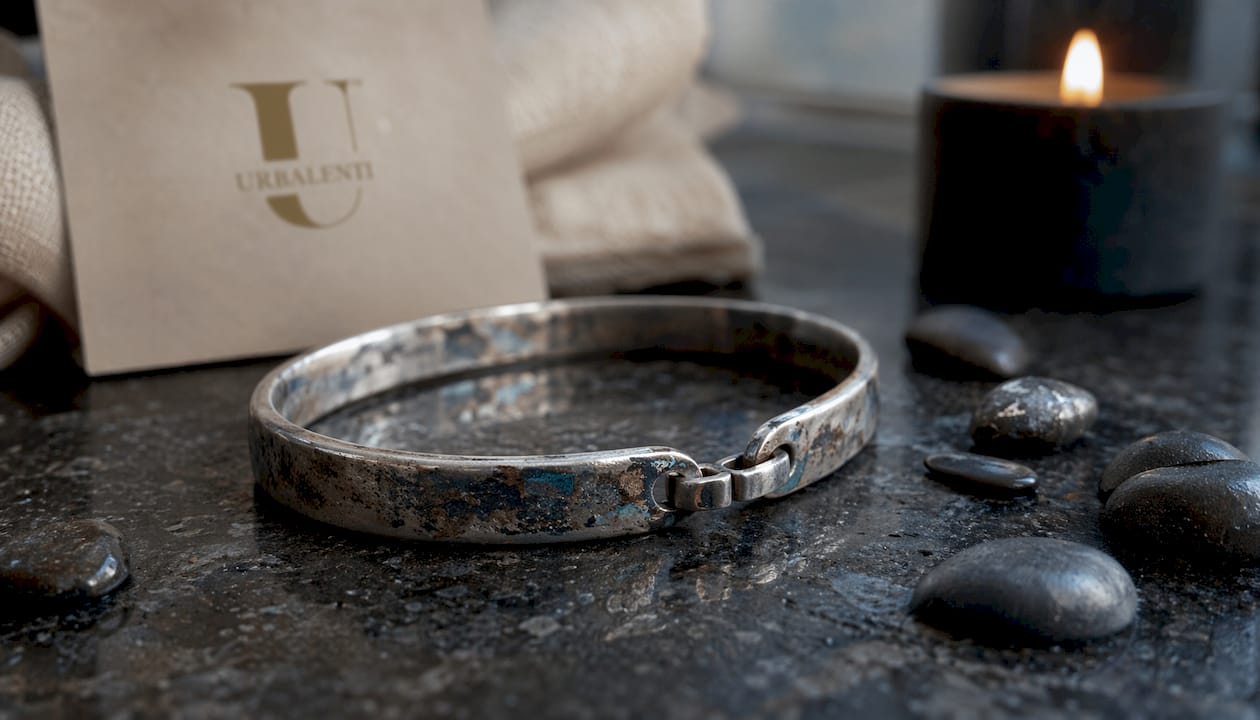
925 silver tarnish is a natural, surface-level chemical reaction that affects every piece of sterling silver jewelry, and it is fully reversible with the right care. Sterling silver is defined as 92.5% pure silver alloyed with copper, and that copper content is the direct cause of tarnish. The copper reacts with sulfur compounds and moisture in the environment, forming a thin layer of silver sulfide on the surface. This is not a sign of poor quality. It is a sign of genuine sterling silver. Understanding the 925 silver tarnish problem is the first step toward keeping your jewelry clean, bright, and lasting for years.
Tarnish on sterling silver is the result of a specific chemical reaction, not general wear or low quality. The copper in the alloy reacts with sulfur compounds present in air, water, and everyday products, producing silver sulfide. Silver sulfide is the dark, discolored layer you see forming on the surface of your jewelry over time.
Several environmental and personal factors accelerate this reaction. Humidity is the most significant accelerant. Moisture in the air speeds up the chemical process considerably. Air pollution adds sulfur dioxide and hydrogen sulfide to the mix, both of which react aggressively with the copper in 925 silver. Skin chemistry also plays a role. People with more acidic skin or higher perspiration levels tend to see tarnish develop faster.
Everyday products make the problem worse. Lotions, perfumes, hairspray, sunscreen, and chlorine from pools or cleaning products all accelerate tarnish formation when they come into direct contact with silver. Geographic location matters too. Coastal environments with salt air and humid climates create faster tarnish conditions than dry, inland areas.
The color of tarnish also tells you how far the reaction has progressed:
Understanding what drives tarnish lets you make better decisions about how you wear, store, and clean your silver pieces.
Diagnosing the stage of tarnish on a piece of 925 silver jewelry determines which cleaning method is appropriate. Using the wrong method for the wrong stage wastes time and risks damaging the piece. The table below outlines the three main stages and their characteristics.
| Tarnish Stage | Appearance | Cleaning Method | Risk Level |
|---|---|---|---|
| Light | Slight yellow or golden tint | Polishing cloth | Very low |
| Moderate | Dull gray, reduced shine | Mild soap soak and soft brush | Low |
| Heavy | Dark gray to black coating | Electrochemical bath | Moderate |
| Plating wear | Patchy color loss, base metal visible | Professional repair only | Not reversible |
| Oxidized finish | Intentional darkening in recessed areas | Polishing cloth only on raised areas | Low if careful |
Light tarnish is the easiest to address and the most common. A quick pass with a polishing cloth restores shine before the sulfide layer builds up further. Moderate tarnish requires more contact time and gentle mechanical action. Heavy tarnish has a dense silver sulfide coating that needs a chemical or electrochemical process to reverse.
The most important distinction is between tarnish and permanent damage. Tarnish is always surface-level and indicates genuine 925 silver reacting as expected. Plating wear, deep scratches, or pitting are structural issues that no home cleaning method will fix. Recognizing this difference protects you from over-cleaning a piece that needs professional attention.
Oxidized finishes require special care. Many designer sterling silver pieces use intentional oxidation to create contrast in engraved or textured areas. Aggressive cleaning removes that finish permanently. On oxidized pieces, use a polishing cloth only on raised surfaces and avoid soaking entirely.
Cleaning method selection depends on tarnish severity. The three methods below are ranked from lightest to most intensive, matched to the three tarnish stages.
A professional silver polishing cloth is the fastest and safest tool for early-stage tarnish. Polishing cloths remove light tarnish in approximately 30 seconds without water, chemicals, or risk to stones or finishes. The cloth contains micro-abrasive compounds that lift the thin sulfide layer without scratching the silver beneath. Use gentle, straight strokes rather than circular motions to avoid creating swirl marks. Keep a polishing cloth in your jewelry drawer for quick maintenance after each wear.
This method works well for rings, bracelets, and chains with moderate gray tarnish. It is safe for most gemstone settings, though porous stones like pearls, opals, and turquoise should never be soaked. For pieces with those stones, use a damp cloth only.
Pro Tip: Always check your piece for loose settings before scrubbing. A soft toothbrush can dislodge a stone that is already slightly loose.
The electrochemical method reverses the silver sulfide reaction using aluminum foil and baking soda. The aluminum acts as a sacrificial anode, pulling sulfur away from the silver and back into solution.
This method is effective for heavily tarnished chains, bangles, and plain silver pieces. However, it requires precise conditions. Do not use it on pieces with porous stones, oxidized finishes, or plated surfaces. The electrochemical reaction can damage delicate constructions and remove intentional patinas if exposure is too long.
Pro Tip: For a safe guide to cleaning sterling silver jewelry at home, the Urbalenti™ NYC cleaning guide covers method selection by piece type and finish.
Two cleaning agents to avoid entirely: toothpaste and harsh chemical dips. Toothpaste contains abrasive particles that cause permanent micro-scratches, dulling the finish over time even when the tarnish appears removed. Chemical dips work fast but strip plating from demi-fine pieces and can damage delicate constructions irreversibly.
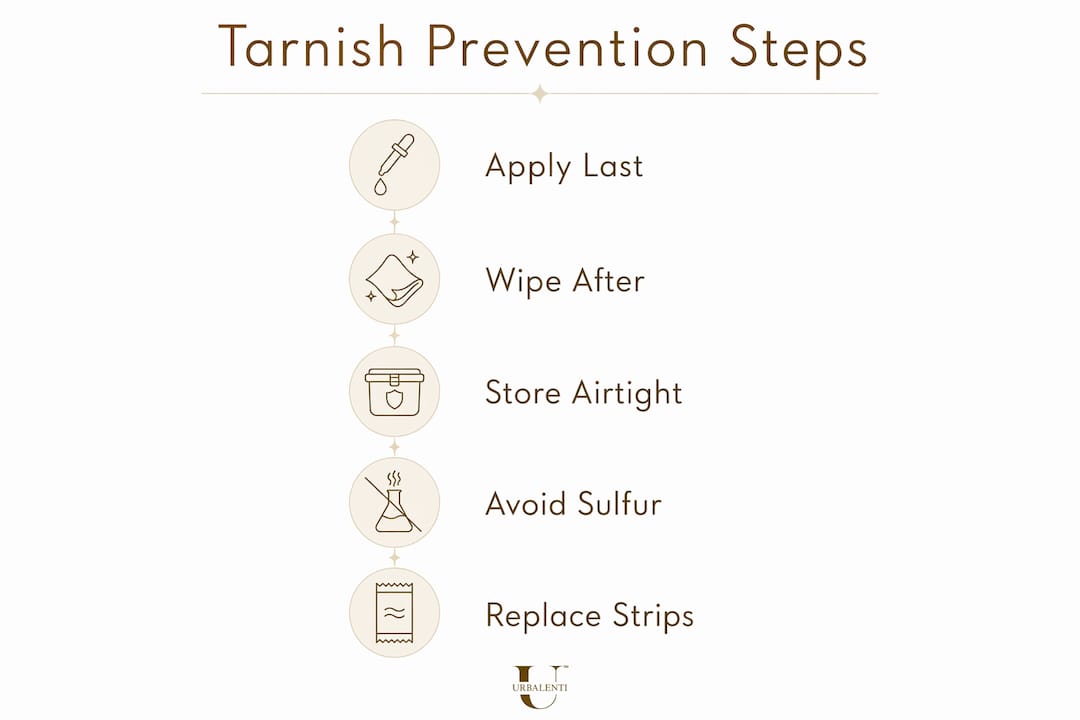
Prevention is more effective than repeated cleaning. The right daily habits slow tarnish development significantly and reduce how often you need to clean your pieces.
Pro Tip: The single most effective habit for slowing tarnish is the “apply last” rule. Put on silver after all cosmetics and fragrances are fully dry. This one change extends the time between cleanings noticeably.
For a broader overview of why tarnish forms and how to address it at the source, the Urbalenti™ NYC tarnish guide covers the chemistry and care connection in detail.
Storage is where most tarnish prevention happens. Silver tarnishes because it is exposed to air, sulfur compounds, and moisture. Proper storage removes all three variables.
The most effective storage method uses airtight bags with moisture absorbers. Press as much air as possible out of a zip-top bag before sealing it. Add a silica gel packet or a small piece of white chalk inside the bag to absorb residual moisture. This combination starves the silver of the two main tarnish triggers.
The table below compares common storage approaches by effectiveness and risk:
| Storage Method | Tarnish Prevention | Risk to Jewelry | Best For |
|---|---|---|---|
| Airtight bag with silica gel | High | Very low | All silver pieces |
| Anti-tarnish strip in jewelry box | High | Very low | Frequently accessed pieces |
| Standard jewelry box, open air | Low | Low | Short-term only |
| Bathroom shelf or windowsill | None | High (humidity, light) | Not recommended |
| Rubber band or wool wrapping | None | High (sulfur transfer) | Never use |
Storing pieces separately prevents two problems at once. First, it stops physical abrasion between pieces, which scratches surfaces and damages finishes. Second, it prevents tarnish transfer, where a heavily tarnished piece accelerates oxidation on neighboring items.
Avoid rubber bands, wool, and latex materials entirely. All three contain sulfur compounds that actively accelerate tarnish. This is a common mistake that causes silver to darken even in storage. Keep silver in a cool, dry, dark location. Bathrooms and windowsills are the worst storage environments due to humidity fluctuations and light exposure.
For anti-tarnish strips, replace them every three to six months or when they change color. They absorb sulfur compounds from the air inside the container and lose effectiveness over time. Pairing strips with airtight bags gives the best long-term results for pieces stored between seasons or worn infrequently. For a detailed storage reference, the Urbalenti™ NYC storage guide covers container types, anti-tarnish materials, and organization by piece type.
If you want to explore anti-tarnish product options beyond basic storage materials, waterproof anti-tarnish alternatives are worth reviewing for pieces worn in active or humid conditions.
The 925 silver tarnish problem is a reversible surface reaction caused by copper alloy contact with sulfur and moisture, and consistent care habits prevent it more effectively than repeated cleaning.
| Point | Details |
|---|---|
| Tarnish is reversible | Silver sulfide forms on the surface only and can be removed at any stage with the right method. |
| Match method to severity | Use a polishing cloth for light tarnish, mild soap for moderate, and an electrochemical bath for heavy tarnish. |
| Prevention beats cleaning | Wearing silver regularly, applying cosmetics first, and wiping pieces after wear all slow tarnish formation. |
| Storage is the first defense | Airtight bags with silica gel or anti-tarnish strips stop tarnish before it starts during non-use periods. |
| Avoid toothpaste and chemical dips | Both cause permanent damage to silver finishes and should never be used on 925 silver or plated pieces. |
The most persistent misconception about 925 silver is that tarnish means the jewelry is low quality. It does not. Tarnish is proof that the piece is genuine sterling silver with real copper content doing exactly what chemistry predicts. Plated costume jewelry often resists tarnish longer precisely because it lacks the authentic alloy composition.
What I have seen consistently is that customers who treat tarnish as a failure end up over-cleaning their pieces. They reach for toothpaste, harsh dips, or abrasive cloths and cause damage that no amount of polishing will reverse. The finish dulls permanently. Engraved details fill with micro-scratches. Oxidized patinas disappear. The piece loses the character that made it worth buying.
The better mindset is maintenance, not intervention. Wear your silver. Wipe it down. Store it properly. Clean it gently when needed. A piece cared for this way will look better at five years than one that has been aggressively cleaned twice a month. Regular wear, in particular, is underrated. The friction and natural oils from daily use do more to keep silver bright than most cleaning products.
At Urbalenti™ NYC, every sterling silver piece we carry is selected with longevity in mind. The care guidance we provide is not generic. It reflects the specific finishes, settings, and construction of the pieces in our catalog. Knowing how to maintain what you own is part of owning it well.
— Admin Urbalenti™ NYC
Urbalenti™ NYC offers a curated selection of sterling silver and demi-fine jewelry, sourced from designer and contemporary brands and fulfilled directly from Milan. Every piece is authentic, and every purchase comes with access to the same care knowledge shared in this article.

The Urbalenti™ NYC jewelry care collection covers cleaning, storage, and maintenance guidance for every type of silver piece, from plain bands to gemstone-set statement pieces. For customers who want personalized guidance on a specific piece or care question, the team is available directly. Browse the full catalog at Urbalenti™ NYC and shop with the confidence that what you receive is exactly what it claims to be.
Tarnish on 925 silver is caused by the copper in the alloy reacting with sulfur compounds and moisture in the environment. This produces silver sulfide, a dark surface layer that is fully reversible with proper cleaning.
Tarnished silver is not damaged. Tarnish is a surface-level chemical reaction that polishing cloths, mild soap, or an electrochemical bath can remove completely, depending on severity.
Apply all cosmetics and fragrances before putting on silver, wipe pieces after each wear, and store them in airtight bags with silica gel or anti-tarnish strips. Wearing silver regularly also slows tarnish by creating natural friction and limiting air exposure.
Toothpaste should not be used on 925 silver. It contains abrasive particles that cause permanent micro-scratches and dull the finish over time, even when the tarnish appears removed.
Professional cleaning once a year is recommended for pieces with intricate settings or gemstones. This maintains stone security and addresses buildup that home cleaning methods cannot fully reach.
Leave a comment