
MY WISHLIST
MY WISHLIST

Last Updated: October 25, 2026
Quick Summary
The designer clothing brands with the best designer resale value are Gucci, Prada, Burberry, Golden Goose, Ferragamo, Stone Island, Amiri, Jacquemus and Chloé, ranked by how reliably their pieces resell. Within each brand, house codes, controlled distribution, material quality and timeless style decide whether a garment retains value.
Designer resale value is the price a pre-owned piece commands on the secondhand market, expressed as a share of its original retail price. That share varies enormously by brand, and the gap between the best and worst performers is wider in clothing than in handbags. We follow the resale market closely because it tells you something retail tags never do: which pieces buyers actually want to own twice.
Here is the uncomfortable truth most resale guides skip. A high retail price is not a signal of value retention. Plenty of expensive garments lose most of their worth the moment they leave the store. What holds up is a narrower combination: brand demand, scarcity, recognizable design, and condition. Get those four right and a jacket can resell for a meaningful fraction of what you paid. Get them wrong and you are donating it.
Below, we break down nine designer clothing brands that consistently perform well on the secondhand market, explain what separates them from the rest, and show you how to sell with realistic expectations about fees, timing, and net proceeds.
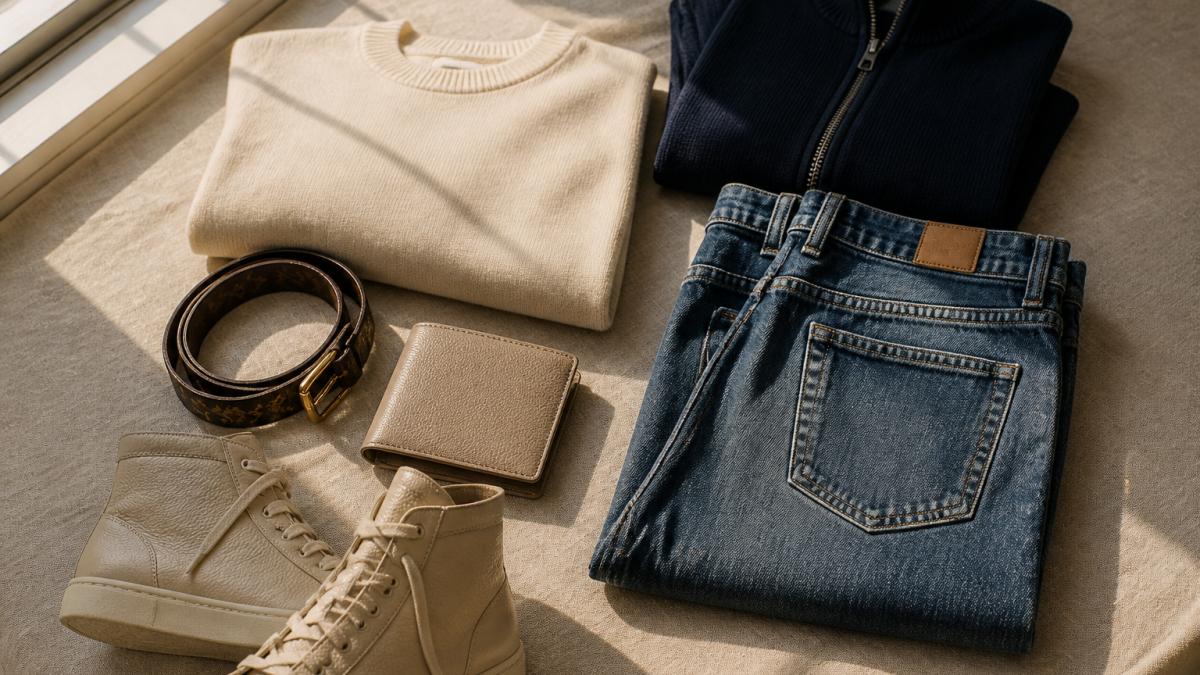
The nine brands below share one trait: steady buyer demand rather than hype-driven spikes. These brands are ranked by how reliably their clothing and accessories resell, not by how famous they are.
Gucci sits near the top because its accessories anchor the brand's resale reputation. A Gucci belt or cardholder is an easy, low-risk resale item with broad buyer demand. Clothing is more trend-sensitive, but recognizable house codes keep even older pieces liquid.
Best for: accessories and logo-led pieces that buyers recognize instantly. Skip if: you are reselling heavily trend-driven seasonal garments and expecting a fast, high-margin flip.
Prada's understated aesthetic gives it unusual staying power. Pieces without loud branding tend to age well, which helps long-term value. Small leather goods move quickly; nylon and tailored clothing hold respectable resale percentages when condition is strong.
The trench coat is the classic example of an investment piece. Burberry's heritage outerwear retains value far better than its trend pieces. Denim and knitwear are more modest performers, so category matters as much as the label here.
Distressed sneakers are the brand's signature, and the deliberate worn look creates an odd advantage: buyers accept visible wear as intentional. That makes condition grading more forgiving than with pristine leather goods. Sneakers resell faster than apparel.
Ferragamo's Gancini hardware and grained leather belts appeal to buyers who want quiet luxury rather than logos. Classic accessories hold value; avant-garde runway pieces are harder to move and take longer to sell.
Streetwear demand gives Stone Island real secondary-market traction. The compass badge is a recognizable marker, and garment-dyed pieces attract collectors. Sizing and condition drive the final price more than the label alone.
Amiri's denim and embroidered detailing command attention in the resale market. Limited distribution supports scarcity, which supports price. The trade-off is volatility: trend-driven pieces can soften quickly if a silhouette falls out of favor.
Jacquemus benefits from strong visual identity and social visibility. Its denim and mini bags are the most resale-friendly categories. Smaller, statement pieces sell fastest; oversized or unusual cuts can sit longer.
Chloé's soft, feminine aesthetic has a loyal buyer base. Footwear and accessories move well, and timeless styles outperform trend pieces. Expect moderate rather than spectacular retention, with condition doing much of the work.
| Brand | Strongest Resale Category | Demand Pattern | Time to Sell |
|---|---|---|---|
| Gucci | Belts, small leather goods | Steady | Fast |
| Prada | Wallets, nylon, tailoring | Steady | Moderate |
| Burberry | Outerwear, trench coats | Seasonal | Moderate |
| Golden Goose | Sneakers | Steady | Fast |
| Ferragamo | Belts, classic accessories | Steady | Moderate |
| Stone Island | Outerwear, knitwear | Trend-linked | Moderate |
| Amiri | Denim, statement pieces | Volatile | Variable |
| Jacquemus | Denim, small accessories | Trend-linked | Fast to variable |
| Chloé | Footwear, soft accessories | Steady | Moderate |
Most resale guides rank brands and stop there. That ranking hides the more useful question: within a single brand, why does one garment retain a meaningful share of its retail price while another from the same house sells for a fraction? The answer is not the label alone. It is a set of mechanisms that operate at the level of the individual piece, and understanding them lets you judge a garment before you buy it rather than after you try to sell it.
1. Consistent house codes. A recognizable buckle, monogram, silhouette, or hardware shape gives buyers confidence that the piece is what it claims to be and that it will still read as the brand years from now. House codes matter more in clothing than in handbags because garments have fewer authentication anchor points, so the visible signature does more work.
2. Controlled distribution. Scarcity protects price. Brands that limit wholesale distribution, avoid deep outlet presence, and release in smaller runs tend to hold value better than brands available everywhere at a discount. When a buyer can find the same piece new at a markdown, the secondary market has no floor to stand on.
3. Material and construction quality. Durable pieces survive to be resold, and buyers know it. Leather, wool, and heavy cotton denim age better than delicate fabrics, and visible construction quality, such as clean stitching, full linings, and substantial hardware, signals that the piece will hold up. A garment that pills, stretches, or loses shape after a season has no second life to sell.
4. Timeless style over trend chasing. A trench coat, a straight-leg denim, or a tailored blazer has a buyer in every season. A runway statement piece has a buyer only while the look is current. This is the single largest source of variance within a brand's own catalog.
A brand's resale reputation is often built on its accessories, and that reputation can flatter its clothing unfairly. Small leather goods and footwear resell faster than garments because they are size-flexible, easier to authenticate, and bought by a broader audience. A belt or a cardholder from a given house may move quickly while a jacket from the same house sits, even though buyers describe the brand as having strong resale value.
For clothing specifically, three variables do most of the work:
Resale value is not investment appreciation. A piece that retains a portion of its retail price is not the same as an asset that grows. Treat resale as a partial recovery of cost, not a return. The brands that perform best on the secondary market are the ones where that partial recovery is most reliable, not the ones where a single piece occasionally sells above retail.
Gucci Cotton Regular Belt for Men →
If you want to judge craftsmanship signals before you buy, our guide to identifying quality craftsmanship in designer clothing explains what to look for in stitching, lining, and hardware. Those signals are the same ones a buyer will weigh when you resell.
Condition is the single biggest lever. A garment in excellent condition with original tags and proof of purchase will always outperform a worn equivalent. After that, size and fit matter more than most sellers expect: common sizes sell faster, and unusual sizing extends time to sell.
Authentication is the third pillar. Buyers pay more when provenance is clear, and counterfeit risk drags prices down across the board. If you are reselling Golden Goose, our Golden Goose authenticity check walks through the details buyers examine before they commit.
Material affects durability and therefore retention. Leather, wool, and heavy cotton denim age better than delicate fabrics. Seasonality plays a role too: coats sell in cold months, sandals in warm ones. Trend volatility is the wild card, since trend-driven pieces depreciate fastest when a look fades.
Selling designer clothing well is a sequence, not a single decision. The sellers who recover the most value treat preparation, channel choice, pricing, and documentation as separate steps, and they make each one work before moving to the next. Most practitioners find that the preparation stage alone accounts for a meaningful share of the final sale price, because buyers on the secondary market are comparing your listing against dozens of others in the same size and condition. Professional presentation often dictates whether a piece lingers in inventory or sells immediately, a reality that remains central when you consign designer luxury items.
Clean the garment according to its care label, steam out wrinkles, and replace missing buttons or loose threads where you can do so without altering the piece. Photograph in natural daylight against a plain background. Capture the front, back, both labels (brand and care), any hardware close up, and every flaw in a dedicated photo. Buyers who feel misled by a hidden flaw are the ones who open returns and leave negative feedback, and that feedback follows you across listings.
Record measurements flat: chest, shoulder, sleeve, length, and waist where relevant. Compare those measurements to the brand's own size chart and to sold listings in the same size. Designer sizing varies by house and by era, so a stated size alone is not enough for a buyer to commit.
There are three broad routes, and each has a different cost structure:
Asking prices are wishes; sold listings are evidence. Pull completed sales for the same brand, category, size, and condition band, ideally within the last few months so the data reflects current demand. Set your price from that range, then subtract the platform's selling fee, your shipping cost, and any authentication fee the channel charges. The number left is your real return, and it is the only number worth comparing across channels.
A common pattern is that sellers anchor on the original retail price and price defensively high, then watch the listing sit while comparable pieces sell around them. The market does not care what you paid; it cares what similar pieces are selling for now.
Keep the original receipt, tags, dust bag, and any authenticity cards that came with the piece. Photograph them alongside the garment. Buyers pay more when provenance is clear, and counterfeit risk drags prices down across the board, so a documented piece stands out in a crowded listing. If you are reselling Golden Goose, our Golden Goose authenticity check walks through the details buyers examine before they commit.
List outerwear in late summer and early fall, sandals and lightweight pieces in spring. A coat listed in June can sit for months and lose its pricing relevance by the time buyers are shopping. If a piece is trend-driven rather than classic, list it while the trend is active; waiting for a better price usually means waiting for a smaller audience.
Resale channels fall into three broad types, and each suits a different seller. The table below summarizes the trade-offs rather than naming specific marketplaces, because fee structures change frequently.
| Channel Type | Effort Required | Fee Level | Best For | Main Drawback |
|---|---|---|---|---|
| Consignment | Low | Higher commission | Sellers who want hands-off service | Slower payout |
| Online marketplace | High | Variable, plus shipping | Sellers who want control | You handle authentication risk |
| Direct resale platform | Medium | Platform-dependent | Faster turnover | Less control over final price |
Consignment suits people with a few good pieces and no interest in photography. Marketplaces reward sellers who invest time in listings. Direct platforms sit in between, and their value depends heavily on how their fees are structured. Compare net proceeds, not gross prices, before you commit.
Buying well is the first step toward reselling well. At URBALENTI, we source authentic designer fashion from established European suppliers, so every piece arrives brand new with tags and a clear provenance trail. For buyers in the U.S., shipping is free with no minimum, import duties are included in the price, and a free exchange option is available.
You can browse designer clothing with strong resale potential right now, including pieces from Gucci, Prada, Burberry, Ferragamo, Golden Goose, Stone Island, Amiri, Jacquemus, and Chloé. If you want to confirm which of these houses we currently carry, our brands we carry page lists them.
Watch out: buying a piece purely for resale without checking sold comps first is how people end up holding inventory they cannot move.
Brands with steady buyer demand and recognizable house codes tend to resell best. Gucci, Prada, Burberry, Ferragamo, and Golden Goose all hold a meaningful share of their original retail price when pieces are in excellent condition with tags or proof of purchase. Streetwear-leaning labels such as Stone Island and Amiri also resell well because their audiences buy and sell frequently. The strongest designer resale value usually comes from accessories and denim rather than eveningwear.
Generally, no. Handbags and watches from top houses often keep a larger percentage of retail because they are durable, size-flexible, and collected as investment pieces. Clothing depreciates faster due to sizing, seasonal trends, and wear. That said, certain garments, such as straight-leg jeans, leather sneakers, and iconic outerwear, perform well above the clothing average. Treat clothing as a way to recover part of your spend, not as a financial investment.
Condition is the biggest lever, followed by brand demand, size, material, and completeness of documentation. Pieces in excellent condition with original tags, dust bags, or proof of purchase sell faster and for more. Common sizes and neutral colors outperform extreme sizes and loud seasonal prints. Craftsmanship and durability matter too: leather goods and heavyweight cotton denim tend to hold up and resell better than delicate fabrics.
Start by authenticating each piece and photographing labels, hardware, and stitching in good light. Write an honest listing that names the brand, size, material, and any flaws, and price against sold listings rather than asking prices. Choose a platform that matches the brand tier and handles authentication where possible. Keep proof of purchase and ship with tracking. Expect selling fees and shipping to reduce your net proceeds, so factor those into your pricing strategy before you list.
Buy from retailers that guarantee authenticity and provide clear product details, since provenance protects resale value. URBALENTI sources brand-new designer pieces from established European suppliers and includes import duties in the price for U.S. customers, which simplifies the true cost of a purchase. Focus on timeless styles in common sizes, such as straight-leg jeans, leather belts, and sneakers, because those are the categories that resell most reliably.
The resale market rewards preparation and punishes guesswork. If you want to start with pieces that already carry strong buyer demand, URBALENTI offers authentic, brand-new designer fashion sourced through European networks, with free shipping for U.S. customers, import duties included in the price, and a free exchange option. Get started with URBALENTI and build a wardrobe that holds its worth.

Leave a comment