
MY WISHLIST
MY WISHLIST

Last Updated: November 2, 2026
Quick Summary
Italian luxury designers are the founders and creative forces behind fashion houses that shaped modern dressing, from Gucci's maximalist heritage to Max Mara's quiet tailoring. This guide covers the names that matter most, chosen for lasting influence, signature style, and craftsmanship rather than hype.
Italian luxury designers are the founders and creative forces behind the fashion houses that shaped modern dressing, from Gucci's maximalist heritage to Max Mara's quiet tailoring. This guide covers the names that matter most, chosen for lasting influence, signature style, and craftsmanship rather than hype.
We built this list on three filters. First, a designer or house must have changed how people dress, not just sold well for a season. Second, the work must still be relevant today, whether through current creative direction or a legacy that other designers openly reference. Third, the house must represent a distinct point of view, so this list reads as a set of arguments rather than a catalog.
One distinction matters before we start. A designer is a person, a fashion house is the institution they built, and a brand is the commercial identity that carries the name forward. Gucci the designer retired decades ago; Gucci the house is now one of the most powerful labels in the global luxury industry. Keeping those three ideas separate makes the rest of this list easier to read.
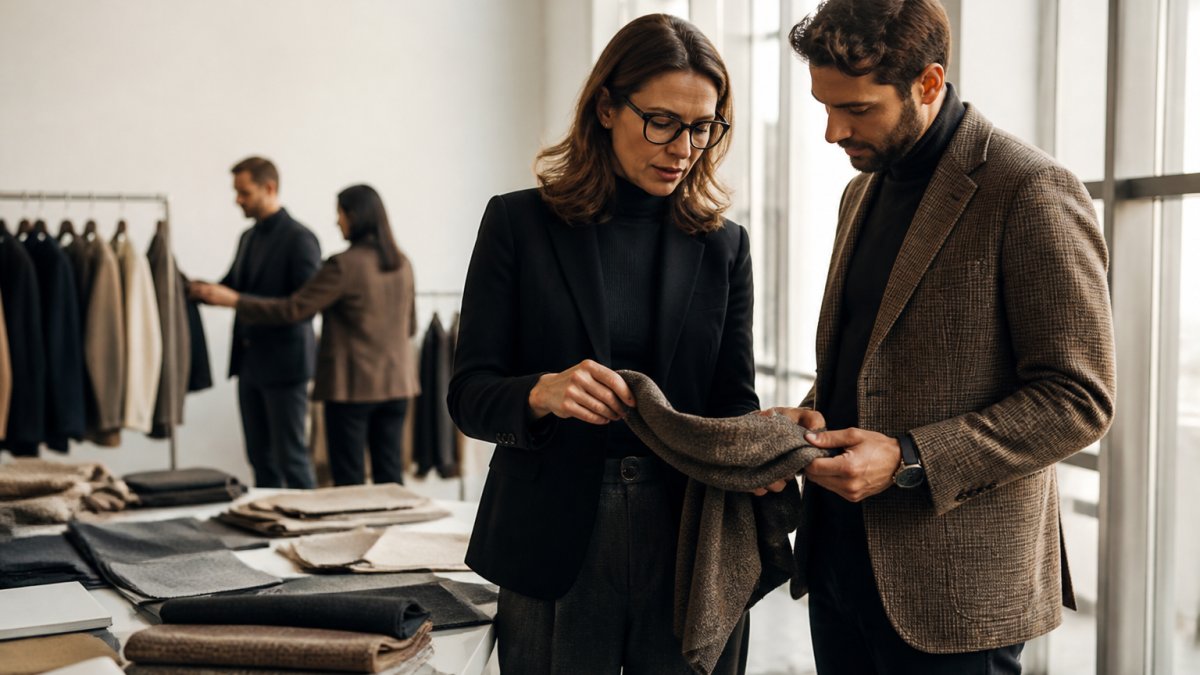
We also weighted what shoppers actually encounter: Italian designer handbags, Italian designer shoes, and ready-to-wear that holds up beyond a single season. If you are weighing a purchase, our guide to whether sustainable luxury handbags are worth it covers the value question in more depth.
Gucci is widely regarded as an Italian house that turned maximalist design into a global language. Founded in Florence by Guccio Gucci, the label built its reputation on leather goods and accessories before reinventing itself as a symbol of modern glamour.
The house's signature style runs bold. Interlocking hardware, jacquard patterns, and rich color mixing define the aesthetic, and the brand legacy rests on making opulence feel wearable. That philosophy extends to small pieces as much as statement ones. A double-face silk and wool foulard in a GG jacquard Pied-de-Poule design, finished with fringed edges, carries the same maximalist instinct in miniature. Readers can also browse a Gucci black calf leather belt to bring that heritage into a wardrobe.
Authenticity matters with any luxury label, and buyers are generally advised to check stitching density, hardware weight, and the consistency of the pattern across seams before buying.
Best for: shoppers who want recognizable design language and rich materials. Skip if: you prefer logos kept to a minimum.
Max Mara is often associated with quiet luxury built on tailoring and luxurious fabrics rather than visible branding. The house, founded by Achille Maramotti, became famous for precise outerwear and a restrained palette.
Its design philosophy centers on clean silhouettes and premium materials. Cashmere, virgin wool, and camel hair appear throughout the collections, and the cutting is what separates Max Mara from competitors. A 100% cashmere V-neck cardigan in white shows the approach: no logo, no embellishment, just the fabric doing the work. Shoppers drawn to that tailoring can explore Max Mara lamb leather casual pants.
This is the house to study if you want to understand how unstructured jacket design and soft tailoring actually fit. Check the size conversion before ordering, as sizing can differ between Italian and other markets.
Best for: professionals building a wardrobe around fewer, better pieces. Skip if: you want statement pieces that read as instantly recognizable.
Prada is where minimalist design meets an intellectual edge. Founded in Milan by Mario Prada and transformed by Miuccia Prada, the house made nylon luxurious and turned understatement into a status signal.
The signature style is deliberate and slightly off. Clean lines, industrial textures, and unexpected color combinations define the design philosophy, and the brand legacy rests on making simplicity feel complicated. Prada's accessories follow the same logic, with sharp shapes and restrained hardware.
For shoppers, Prada rewards attention to proportion. A flat sandal in gold calf leather works because the shape is precise, not because it shouts. Verify authenticity through the interior stamping and the consistency of the hardware finish.
Best for: shoppers who want luxury that reads as considered rather than loud. Skip if: you prefer warm, romantic design over architectural lines.
Versace is the house that made Italian flair synonymous with fearless print and color. Founded by Gianni Versace, the label built its identity on baroque motifs, Medusa hardware, and runway moments that shaped fashion history.
The aesthetic is unapologetically sensual. Bold prints, body-conscious cuts, and gold detailing define the signature style, and the brand legacy sits on the line between glamour and excess. Few houses commit to a point of view this completely.
Buying Versace secondhand or online means checking print alignment carefully, and buyers should confirm sourcing from sellers who can document it.
Best for: anyone who wants eveningwear and accessories with real presence. Skip if: your wardrobe leans minimal or monochrome.
Dolce & Gabbana built a house around Sicilian romance and visible craftsmanship. Founded by Domenico Dolce and Stefano Gabbana, the label draws on lace, florals, and religious iconography to create a distinctly southern Italian identity.
The design philosophy is decorative and deeply referential. Black lace, corsetry, and hand-finished details define the signature style, and the brand legacy rests on treating craftsmanship as spectacle rather than background. Alta moda and haute couture work sit at the center of that story.
Authenticating Dolce & Gabbana means looking at the lace and embroidery quality. Genuine pieces show dense, even stitching, and the labels carry consistent typography. If you love the romantic register, this is the house to explore first.
Best for: shoppers drawn to ornament, lace, and dramatic detail. Skip if: you want pieces that blend quietly into a minimalist wardrobe.
Bottega Veneta is known for understated luxury built on texture rather than logos. Founded in Vicenza, the label became famous for intrecciato weaving and a refusal to rely on visible branding.
The signature style is texture over ornament. Woven leather, rich color, and clean shapes define the design philosophy, and the brand legacy rests on the idea that quality should be felt rather than announced.
Check the weave on any Bottega piece. Authentic intrecciato is tight, even, and consistent, with soft leather that shows fine grain. Buy from sellers with clear provenance, as popular luxury houses are frequently targeted by replicas.
Best for: shoppers who want luxury that does not advertise itself. Skip if: you want visible hardware and recognizable logos.
Valentino Garavani made modern glamour a defining Italian export. Founded by Valentino Garavani in Rome, the house built its reputation on red-carpet dressing and a single, unmistakable shade of red.
The design philosophy pairs romance with precision. Fluid silhouettes, lace, and studded detailing define the signature style, and the brand legacy rests on dressing women for the moments that matter most. The Rockstud line extended that glamour into everyday accessories.
When buying Valentino, examine the stud placement and the finish on hardware. Authentic pieces show even spacing and smooth plating. The house is a strong choice if you want occasion dressing with a clear point of view.
Best for: shoppers who want glamour with a romantic edge. Skip if: you prefer relaxed, unstructured silhouettes.
Ferragamo is the house that built Italian designer shoes into a global category. Founded by Salvatore Ferragamo, the label started with handmade footwear and grew into a full fashion house known for leather goods and accessories.
The signature style is elegant and wearable. Clean shapes, refined hardware, and careful leather selection define the design philosophy, and the brand legacy rests on fit and construction. A beige calf leather shoulder bag shows the house's approach: restrained color, precise stitching, and hardware that supports rather than decorates.
Authenticating Ferragamo starts with the leather and the interior stamping. Genuine pieces feel substantial, and the stitching runs evenly along every edge.
Best for: shoppers who prioritize footwear and leather goods. Skip if: you want bold statement design over classic shapes.
ZEGNA anchors the menswear side of this list. Founded by Ermenegildo Zegna, the house began as a wool mill and grew into one of the most respected names in tailoring traditions and textile innovation.
The design philosophy is built on fabric first. Premium materials, precise construction, and a restrained palette define the signature style, and the brand legacy rests on supplying and shaping how luxury menswear is made.
If you are buying Zegna, check the fabric label and the interior construction. Authentic pieces list the mill and fiber content clearly, and the shoulder line sits cleanly without padding bulk. This is the house to study if you want tailoring that feels modern rather than formal.
Best for: men building a tailoring-focused wardrobe. Skip if: you want casual, trend-led pieces.
Most lists use "designer," "fashion house," and "brand" interchangeably. They are not the same thing, and keeping them separate makes this reference more accurate. A designer is the person; a fashion house is the institution they built; a brand is the commercial identity that carries the name forward. Gucci the designer retired decades ago; Gucci the house is now one of the most powerful labels in the global luxury industry. The table below separates those ideas and adds the founding context that explains why each name matters.
| Designer or House | Founder | Signature Style | Known For | Best For |
|---|---|---|---|---|
| Gucci | Guccio Gucci | Maximalist design | Leather goods, jacquard | Statement accessories |
| Max Mara | Achille Maramotti | Quiet luxury | Cashmere, expert tailoring | Investment wardrobe |
| Prada | Mario Prada (transformed by Miuccia Prada) | Minimalist design | Nylon, clean silhouettes | Considered luxury |
| Versace | Gianni Versace | Bold prints | Baroque motifs, glamour | Eveningwear |
| Dolce & Gabbana | Domenico Dolce and Stefano Gabbana | Sicilian romance | Lace, hand-finishing | Ornamental pieces |
| Bottega Veneta | Founded in Vicenza | Understated luxury | Intrecciato leather | Logo-free handbags |
| Valentino Garavani | Valentino Garavani | Modern glamour | Red-carpet dressing | Occasion wear |
| Ferragamo | Salvatore Ferragamo | Elegant heritage | Italian designer shoes | Footwear and bags |
| ZEGNA | Ermenegildo Zegna | Tailoring traditions | Wool, menswear | Tailored menswear |
How to read the table. The founder column tells you who shaped the point of view; the signature style column tells you what the house still does best. Where a founder is no longer creatively leading the house, the brand's current direction may differ from the founder's original aesthetic, a distinction worth checking before you buy, because a house can outlast its founder and change creative leadership over time.
A note on selection. These names were chosen for lasting influence, signature style, and craftsmanship rather than hype. The list is not exhaustive; it is a set of arguments. Newer and independent Italian designers are worth exploring separately, and a house's current creative leadership is always worth verifying before a purchase.
Authentication is where most luxury shoppers get burned, and the rules differ by house. Generic advice, dense stitching, consistent typography, is a starting point, but each Italian luxury designer leaves a different fingerprint. Below are the specific markers worth checking, plus the trade-offs that make online buying safer.
Start with construction, then move to house-specific markers. Stitching should be dense and even, with no skipped sections, but the real tells sit in hardware, interior stamping, and material behavior. A few examples across the houses on this list:
Verify the source, not just the item. Ask sellers for provenance, request close-up photos of interior stamps and hardware, and be skeptical of prices that sit far below the market. For U.S. shoppers, import duties are included in the price at URBALENTI, and items ship directly from Italy. Shoppers can also ask for provenance before buying.
The hardest part of buying Italian luxury designers is not finding options. It is choosing a first piece you will still wear in five years. Our advice: pick one house whose point of view matches how you actually dress, then buy the best version of its signature item rather than several compromised pieces from different labels.
That is where URBALENTI comes in. We source authentic, brand-new designer fashion through established European networks and ship directly from Italy. Free shipping applies with no minimum purchase, import duties are included in the price, and a free exchange option is available. Start with one piece that fits your style, and build from there.
Get started with URBALENTI and find the Italian designer piece that earns its place in your wardrobe.
The most recognizable names include Giorgio Armani, Gianni Versace, Miuccia Prada, Valentino Garavani, Domenico Dolce and Stefano Gabbana, Salvatore Ferragamo, Brunello Cucinelli, and the late Karl Lagerfeld's Italian collaborators at Fendi. Each built a signature style, from Versace's bold prints to Prada's minimalist design. Many of these Italian luxury designers also founded fashion houses that continue under new creative direction, keeping their legacy alive while adapting to modern tastes.
Start with the label: authentic Italian luxury designers use consistent stitching, clean font placement, and serial or authenticity tags. Check hardware weight and engraving, interior lining quality, and dust bag construction. For handbags, examine the zipper brand and date codes. Buy from retailers with a strict anti-counterfeit policy and transparent sourcing. If a price seems far below typical retail, treat it as a red flag. Request close-up photos of tags and hardware before purchasing online.
Bottega Veneta is celebrated for intrecciato leather handbags, while Gucci and Prada produce iconic bags like the Jackie and Galleria. For Italian designer shoes, Ferragamo's craftsmanship and timeless silhouettes remain a benchmark, alongside Golden Goose's distressed sneakers. Valentino Garavani's Rockstud styles and Versace's bold heels also stand out. When shopping, confirm the material, country of origin, and included dust bag to ensure you are getting an authentic piece.
Italy's luxury fashion heritage grew from family-run workshops and regional textile expertise, especially in Florence, Milan, and Como. Tailoring traditions, premium materials like cashmere and leather, and a culture of craftsmanship gave Italian fashion houses a global edge. Government-supported design education and close supplier networks also helped. Today, Italian luxury designers continue to lead the global luxury industry by balancing heritage with textile innovation and modern creative direction.

Leave a comment