
MY WISHLIST
MY WISHLIST

A men’s designer basics wardrobe is a curated set of high-quality, versatile garments built for longevity, precise fit, and daily use. The core categories: tops, knitwear, outerwear, bottoms, shoes, and accessories. At a glance, the working count is 3 white tees, 1–2 neutral polos, 2 Oxford button-downs, 1 tailored blazer, 1–2 pairs of dark denim, 2 chinos, 1 pair of tailored trousers, 2 merino crewnecks, 1 cashmere or fine-gauge knit, 1 layering cardigan, 1 light jacket, 1 mac or trench coat, 1 pair of white leather sneakers, 1 pair of brown leather derby or Oxford shoes, 1 pair of loafers or Chelsea boots, and minimal accessories—a leather belt, a wallet, and sunglasses.
The short list:
What separates designer men essentials from mass-market versions is not branding. It is construction precision, premium textiles, and stripped-back silhouettes where fabric and fit do the work. Industry experts confirm that the most successful luxury basics avoid logo-heavy branding entirely, letting material quality and cut carry the piece.
GQ’s wardrobe essentials guide consistently lists tees, well-fitted denim, versatile blazers, button-downs, chinos, knitwear, and neutral shoes as the non-negotiable categories. The table below translates that into a working shopping list with recommended quantities.
| Category | Item | Recommended Quantity |
|---|---|---|
| Tops | White crew-neck tee | 3 |
| Tops | Neutral polo | 1–2 |
| Tops | Oxford button-down (white or light blue) | 2 |
| Knitwear | Merino crewneck | 2 |
| Knitwear | Cashmere or fine-gauge knit | 1 |
| Knitwear | Layering cardigan | 1 |
| Outerwear | Light jacket (bomber or harrington) | 1 |
| Outerwear | Tailored blazer (navy or charcoal) | 1 |
| Outerwear | Mac or trench coat | 1 |
| Bottoms | Dark-wash denim | 1–2 |
| Bottoms | Chinos (stone or navy) | 2 |
| Bottoms | Tailored trousers | 1 |
| Shoes | White leather sneakers | 1 |
| Shoes | Brown leather derby or Oxford | 1 |
| Shoes | Loafers or Chelsea boots | 1 |
| Accessories | Leather belt | 1 |
| Accessories | Leather wallet | 1 |
| Accessories | Simple sunglasses | 1 |
Why these counts work:
For a deeper look at how these pieces fit into a modern urban context, Urbalenti™ NYC’s essential pieces guide covers the full assembly logic.
Fit is the single most important factor in how a basic reads. Style guidance from The Essential Man puts it plainly: the vast majority of dressing problems come down to fit, not the garment itself. A $30 tee that fits correctly will always outperform a $200 one that does not.
Fit checklist for tops:
Fabric priorities:
Long-staple cotton, Pima, and Sea Island cotton produce a denser, smoother jersey with better drape and resistance to pilling. For a designer-level tee, look for a weight between 180–220 gsm in a single-jersey or interlock knit. Anything lighter tends to be sheer; anything heavier loses the clean drape that makes a basic tee work under a blazer.
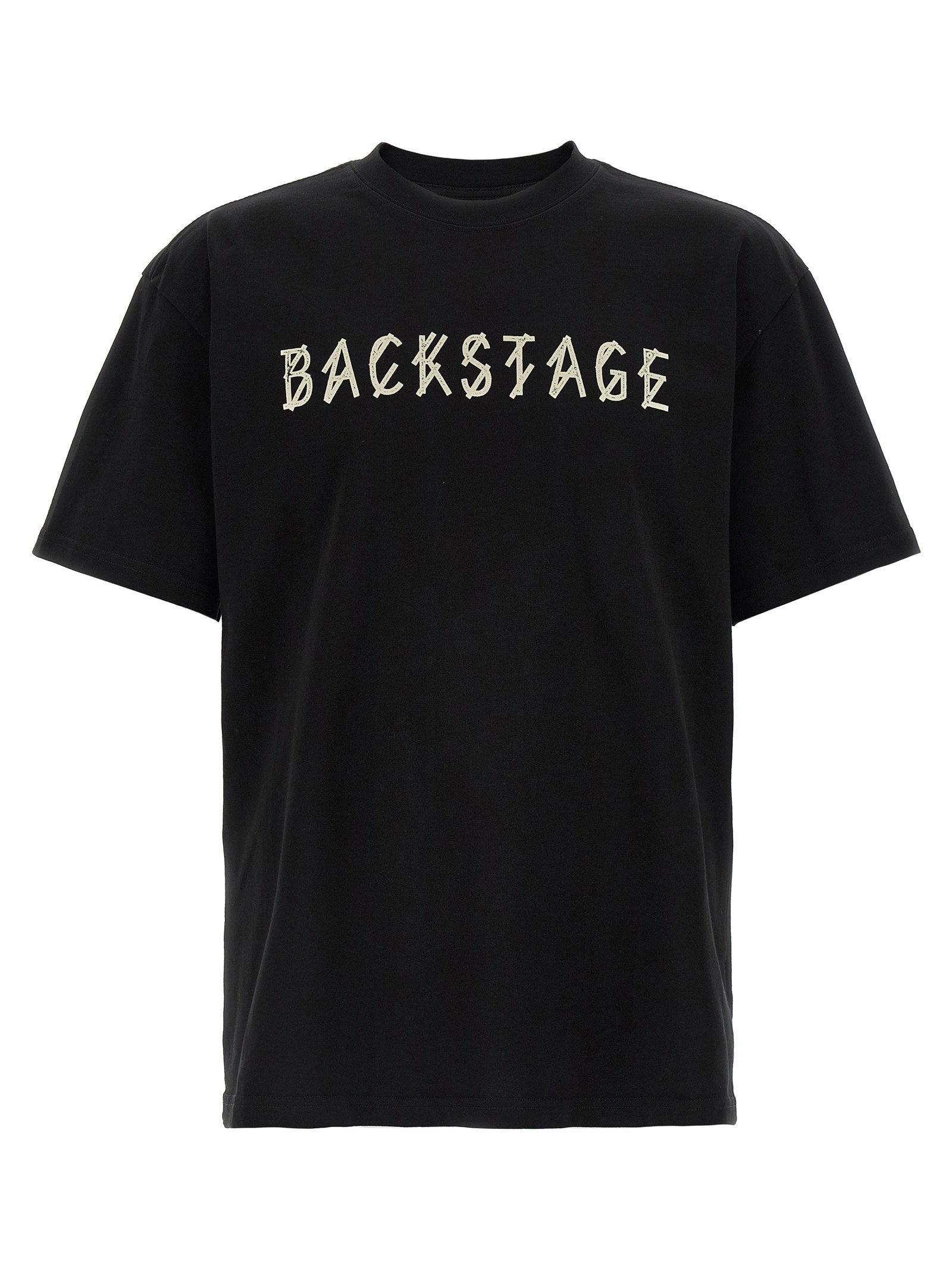
When to choose each top type: a polo works where a tee reads too casual but a shirt feels overdressed, such as a weekend lunch or a relaxed office Friday. An Oxford button-down in a classic fit handles everything from a desk meeting to a dinner reservation when paired with the right trouser.
The small details that separate designer quality from mass-market: tightly spaced stitching at seams (fewer skipped stitches), a collar that rolls naturally rather than lying flat and stiff, and a placket with clean, even buttonhole spacing. These are visible in product photography and worth checking before purchase.
Pro Tip: On a white tee, check the side seam. A designer-quality piece uses a clean, flat-felled seam that lies flush against the body. A twisted or raised seam is a sign of lower-grade construction regardless of the label.
The material decision in knitwear has a direct effect on how long a piece lasts and how it layers. The table below compares the four main options.
| Material | Warmth | Durability | Cost Range | Best Use |
|---|---|---|---|---|
| Merino wool | Medium-high | High | $$ | Year-round layering, travel |
| Cashmere | High | Medium | $$$ | Cold-weather, statement knit |
| Fine-gauge cotton | Low-medium | High | $ | Spring/summer layering |
| Blended knit (wool/synthetic) | Medium | Very high | $$ | Daily wear, active use |
Merino is the most practical starting point. It regulates temperature across a wide range, resists odor, and layers cleanly under a blazer without adding bulk. Cashmere delivers a softer hand feel but pills faster under friction, particularly at the elbows and underarms. A blended knit trades some softness for significantly better shape retention over time.
Layering rules:
Outerwear silhouettes to prioritize:
A light jacket (bomber or harrington) handles spring and fall. A mac or trench coat covers three seasons and works over both casual and smart-casual outfits. A tailored overcoat in wool or wool-cashmere blend is the single highest-impact outerwear investment for colder months.
When buying outerwear online, check seam finishing in the product photos. A lined jacket with clean seam tape or bound edges signals better construction than an unlined piece with raw interior seams. Button quality and buttonhole stitching are also visible in close-up shots and worth examining.
Bottoms fit guide:
Footwear:
White leather sneakers are the most versatile shoe in a designer capsule. They pair with denim, chinos, and even tailored trousers in a smart-casual context. The Veja Esplar and Veja Volley are two of the most consistent choices in this category: clean silhouettes, quality leather uppers, and a profile that works across casual and smart-casual looks without reading as athletic.
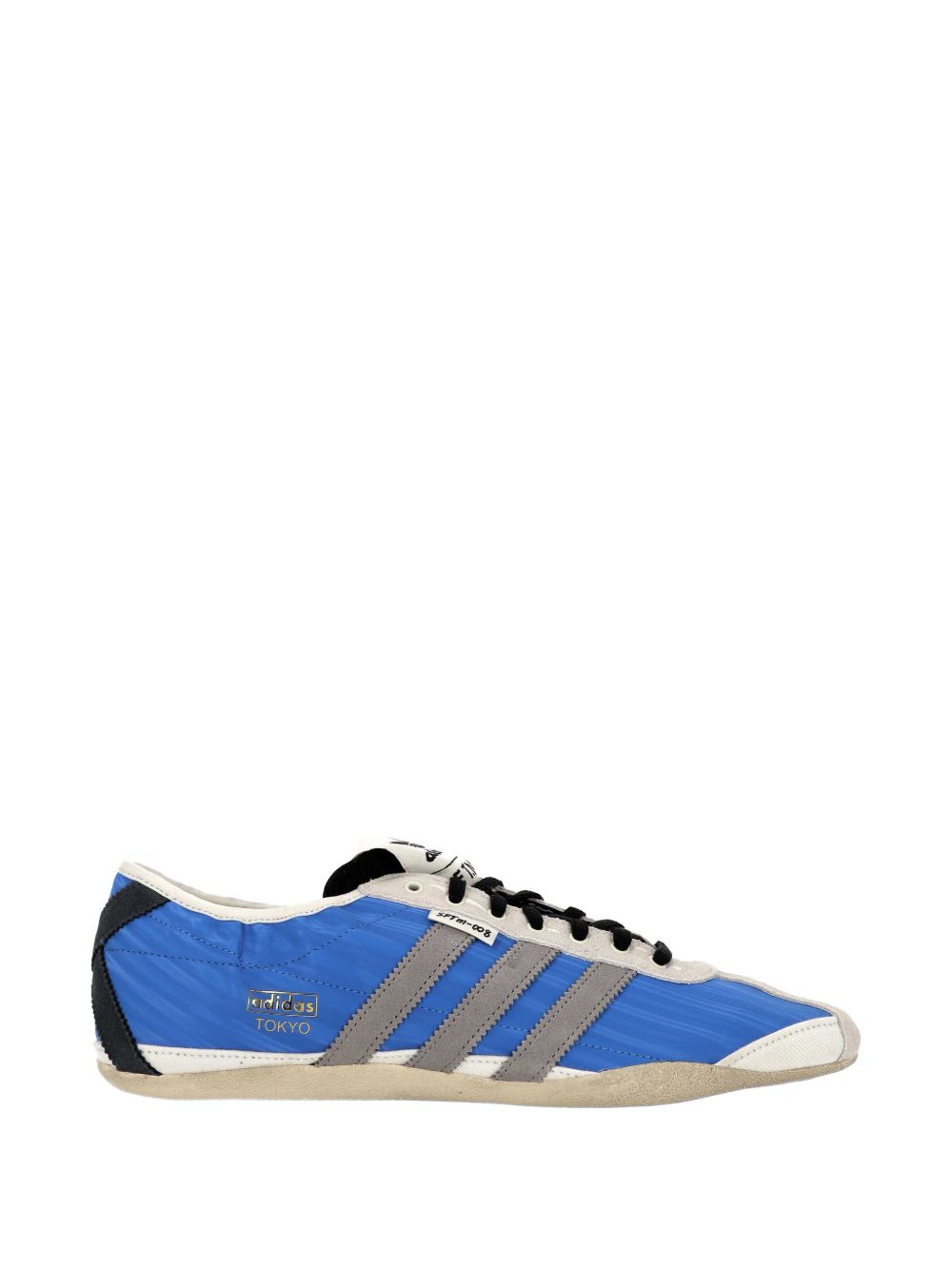
A brown leather derby or Oxford handles office and evening contexts. Brown leather is more versatile than black for a capsule because it pairs with navy, grey, tan, and olive without clashing. Loafers or Chelsea boots fill the gap between sneakers and dress shoes for weekend and smart-casual use.
For a full breakdown of accessories that complement these pieces, Urbalenti™ NYC’s men’s designer accessories guide covers belt width, leather goods, and scale considerations.
Accessory rules:
Pro Tip: Cedar shoe trees extend the life of leather shoes significantly by absorbing moisture and holding the shoe’s shape between wears. Insert them within 30 minutes of removing the shoes.
GQ editors describe wardrobe fundamentals as the “mitochondria” of a wardrobe: small, foundational items that power style stability across seasons. The logic follows directly into budget allocation.
Cost-per-wear in practice:
A trench coat at $600 worn 120 times per year over five years costs $1.00 per wear. A $60 fast-fashion equivalent worn 30 times before it loses shape costs $2.00 per wear. The designer piece is the cheaper option by that measure. The same math applies to leather shoes, tailored blazers, and merino knitwear.
Priority shopping sequence:
Where saving is reasonable:
Where saving costs more long-term:
Outerwear, leather shoes, and knitwear. Poor construction in these categories shows within months. A coat that loses its shape, shoes that crease badly, or a knit that pills after three wears all require earlier replacement, erasing any initial savings.
For a practical external framework on phasing these purchases, the SPRITZ capsule wardrobe guide offers a useful cost-per-wear methodology alongside phased buying advice.
Taylor Stitch positions its basics as “responsibly built for the long haul” — but that longevity depends on how the pieces are maintained. Premium fabrics require specific handling.
Cotton tees:
Dark denim:
Merino and cashmere knits:
Leather shoes:
Pro Tip: For cashmere, a single hand wash with a small amount of baby shampoo in cool water is gentler than most wool detergents and produces the same result. Rinse thoroughly and press out water gently without twisting.
Building a designer-basics wardrobe over time is more practical than buying everything at once. A phased approach also allows for fit testing and preference refinement before committing to higher-cost pieces.
Quarter 1 (January–March): Foundation
Quarter 2 (April–June): Layering
Quarter 3 (July–September): Smart-casual
Quarter 4 (October–December): Investment outerwear and knitwear
Wardrobe audit checklist before each quarter:
Timing purchases: End-of-season sales (January and July in the U.S.) offer the best discounts on outerwear and knitwear. Outlet timing varies by brand, but mid-season sales on basics are common in March and September. For a practical external reference on phasing and cost-per-wear, the SPRITZ capsule wardrobe guide is worth reading alongside this plan.
Urbalenti™ NYC selects every piece based on four criteria: authenticity, construction quality, versatility within a capsule context, and brand positioning. The catalog focuses on contemporary, premium, streetwear, and lifestyle labels with a clear emphasis on essentials over seasonal noise.
Curation and trust signals:
Urbalenti™ NYC’s modern urban wardrobe guide provides additional context on how these pieces are selected and styled for contemporary men’s wardrobes.
Pro Tip: Before purchasing online, cross-reference the item’s product code shown on the Urbalenti™ NYC product page with the brand’s own reference system. Matching codes confirm authenticity. Also check the product photos for construction details: stitch density, lining finish, and hardware quality are all visible at high resolution.
The term “designer basics” refers to garments in foundational categories — tees, trousers, knitwear, outerwear — produced by brands that prioritize construction precision, premium textiles, and controlled fit over volume production. GQ’s analysis of the best clothing brands for basics makes the distinction clear: designer basics are not boring. They offer better construction and fit that extend lifecycle and style relevance.
Three specific differences separate designer from mass-market in the same category:
1. Textile sourcing. Long-staple cotton, merino from certified sources, and Italian-milled fabrics behave differently from commodity alternatives. They drape better, hold their shape longer, and feel distinct against the skin. Shifting focus from quantity to textile quality is the single most effective change a man can make to his wardrobe.
2. Construction standards. Stitch density, seam finishing, and pattern matching at seams are all measurable. A designer tee uses a tighter stitch count per inch, flat-felled seams, and consistent tension throughout. A mass-market equivalent cuts these steps to reduce cost.
3. Fit architecture. Designer brands invest in fit development across multiple body types and size runs. The result is a garment that fits a wider range of bodies more accurately out of the box, reducing the need for tailoring.
The price gap between designer and mass-market basics narrows considerably when measured by cost-per-wear over a three-to-five year period. A $180 tee worn 200 times costs less per wear than a $25 tee replaced every six months.
A designer-basics wardrobe built on fit, premium materials, and cost-per-wear logic will outperform a larger, cheaper wardrobe in both longevity and daily versatility.
| Point | Details |
|---|---|
| Fit comes first | Shoulder seam, chest fit, and hem length determine how any basic reads, regardless of price. |
| Invest in shoes and outerwear | These carry the highest cost-per-wear return and the most visible quality difference. |
| Prioritize premium textiles | Long-staple cotton, merino, and cashmere extend garment life and improve drape significantly. |
| Build in phases | A four-quarter shopping plan prevents overspending and allows fit testing before committing to investment pieces. |
| Shop at Urbalenti™ NYC | Authentic designer basics, curated in New York, fulfilled from Milan, and shipped worldwide via DHL Express. |
The conventional advice on men’s style tends to focus on individual statement pieces. A better jacket, a better shoe, a better watch. What gets less attention is the foundation those pieces sit on. A statement coat worn over an ill-fitting tee and the wrong trousers does not read well. The capsule approach works because it forces the opposite logic: get the foundation right first, then build.
The men who dress consistently well are not necessarily spending more. They are spending more deliberately. Three white tees that fit correctly, two pairs of chinos in neutral colors, and one well-constructed blazer will produce more usable outfits than a wardrobe three times the size built without a clear framework.
The other thing worth noting: designer basics age better than trend pieces. A merino crewneck from five years ago still works. A logo-heavy seasonal piece from the same period usually does not. The capsule approach is, in that sense, also the lower-risk approach.
Urbalenti™ NYC carries a curated selection of designer basics for men, fulfilled directly from Milan and shipped worldwide via DHL Express. Every item is 100% authentic, competitively priced, and selected for its fit within a modern capsule wardrobe.
For footwear, the Veja Esplar Sneakers and Veja Volley Sneakers are two of the most practical white-sneaker options in the catalog. Clean leather uppers, minimal branding, and a profile that works across casual and smart-casual outfits. Both are available now through Urbalenti™ NYC with express worldwide delivery.
Starting categories for building your capsule: T-shirts, knitwear, and sneakers. Browse the full curated selection at Urbalenti™ NYC and use the product pages to verify construction details, sizing, and material specifications before purchasing.
The core list covers 3 white tees, 1–2 neutral polos, 2 Oxford button-downs, 1 tailored blazer, 1–2 pairs of dark denim, 2 chinos, 1 pair of tailored trousers, 2 merino crewnecks, 1 cashmere or fine-gauge knit, 1 layering cardigan, 1 light jacket, 1 mac or trench coat, 1 pair of white leather sneakers, 1 pair of brown leather derby or Oxford shoes, 1 pair of loafers or Chelsea boots, and minimal accessories—a leather belt, a wallet, and sunglasses. These categories appear consistently across editorial sources as the non-negotiable foundation of a men’s designer capsule.
Men’s fashion basics are the foundational garments worn most often: fitted tees, well-cut trousers, a versatile blazer, clean sneakers, and quality knitwear. Fit and fabric quality determine how well these basics perform across different contexts.
The 3-3-3 rule is an informal capsule framework suggesting three tops, three bottoms, and three shoes as the minimum functional wardrobe. Definitions vary by source; the principle is to limit quantity and maximize versatility rather than accumulate pieces.
Start with the highest-frequency pieces first: white tees, chinos, and white sneakers. Apply cost-per-wear logic to prioritize outerwear and shoes as the next investment, since these carry the highest return per dollar over time. Urbalenti™ NYC offers competitive pricing on authentic designer basics with worldwide DHL Express delivery.
Leave a comment