
MY WISHLIST
MY WISHLIST

NYC curated designer collections are defined as highly selective, appointment-only presentations of luxury fashion that prioritize guided client experience over broad inventory access. The industry term for this model is experiential retail curation, and it operates on principles borrowed from art curation: fewer pieces, more context, and a space designed to shape how you perceive each item. If you have browsed Gucci or Saint Laurent at a department store and walked away overwhelmed, a curated collection appointment is the structural opposite of that experience. This article breaks down how these collections work, what separates them from traditional retail, and how to engage with them effectively.
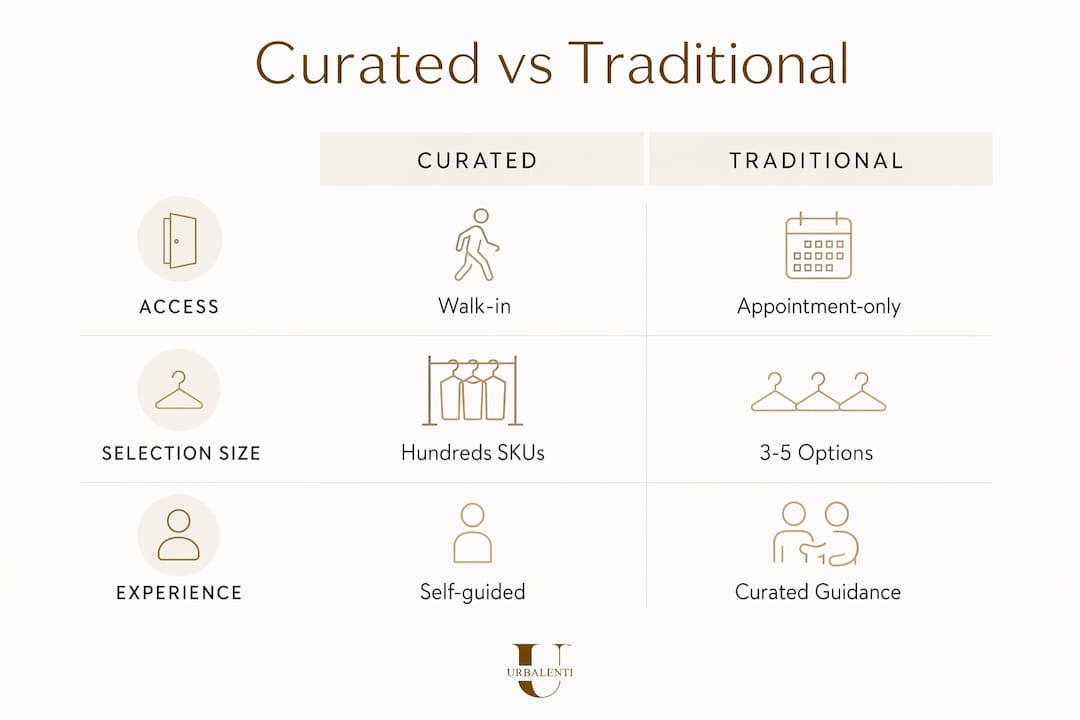
Traditional retail is built on volume. Stores like Bergdorf Goodman carry hundreds of SKUs per category, and the browsing experience is self-directed. NYC-curated collections operate on a fundamentally different logic. Access is appointment-only with no public hours, meaning you do not walk in off Fifth Avenue and start browsing. The selection you see is prepared specifically for your visit, based on information you provide in advance.
The scale of selection is deliberately small. NYC curation professionals present three to five options per placement or category, matched to the client’s stated constraints. That number is not a limitation. It is the point. When a stylist or curator narrows the field to five pieces that fit your occasion, budget, and aesthetic, the decision quality improves significantly compared to scanning a 200-item floor.
Here is a direct comparison of the two models:
| Feature Traditional retail NYC curated collection | ||
| Access | Walk-in, public hours | Appointment-only, no public hours |
| Selection size | Hundreds of items | 3 to 5 tailored options per category |
| Client guidance | Self-directed browsing | Guided by a curator or stylist |
| Environment | Open floor, shared space | Private, controlled setting |
| Inventory basis | Seasonal stock | Conversationally selected per client |
The environment itself is a functional tool in curated collections, not just a backdrop. Spaces like Thirty8East in New York operate as intimate, guided settings blending art and design within a historic brownstone, where pacing and social context shape how you engage with each piece. This approach mirrors how art galleries use lighting, spacing, and sequencing to direct attention. The result is that you spend more time with fewer items, which increases both appreciation and purchase confidence.
Key distinctions that define the curated model:
Preparation is not optional in this model. Inventory is selected conversationally based on what you communicate before your appointment. If you arrive without a clear sense of your occasion, budget, or aesthetic direction, the curator has nothing to work with. The session becomes generic, and the selection reflects that.
Follow these steps before any curated appointment:
Pro Tip: Send your taste references and occasion notes to the curator at least 48 hours before your appointment. This gives them time to source pieces that are not already on the floor, which is where the most interesting selections come from.
The preparation step separates clients who leave with pieces they wear repeatedly from those who leave with something that felt right in the room but wrong at home. Curators build collections around client constraints first, then source fitting pieces. Your input is the brief they work from. The more precise your brief, the better the output.
Scarcity is a deliberate design choice in NYC curated fashion, not a side effect of limited inventory. Limited-time presentations like FLOURE Studio’s IV Collection run for defined windows, often seven to ten days, with restricted reservations and no walk-in access. This format prevents the dilution that comes from open-access retail. When 200 people can walk through a showroom in a day, the experience becomes ordinary. When 20 appointments are available over ten days, each visit carries weight.
High-end NYC retailers use the same logic at scale. Bergdorf Goodman secured a one-week retail lead on Chanel’s Métiers d’art collection with an exclusive Fifth Avenue window takeover before the global launch. That one-week window transformed a product launch into a collector event. Clients who visited during that window accessed pieces before the rest of the market, which is a concrete form of exclusivity with real resale and cultural value.
The mechanics that reinforce exclusivity in NYC curated events:
Scarcity tactics like limited appointments reinforce desirability and client engagement in a measurable way. When access is restricted, the perceived value of what is inside increases. This is not manipulation. It is the same principle that makes a private gallery opening more memorable than a museum visit on a Saturday afternoon.
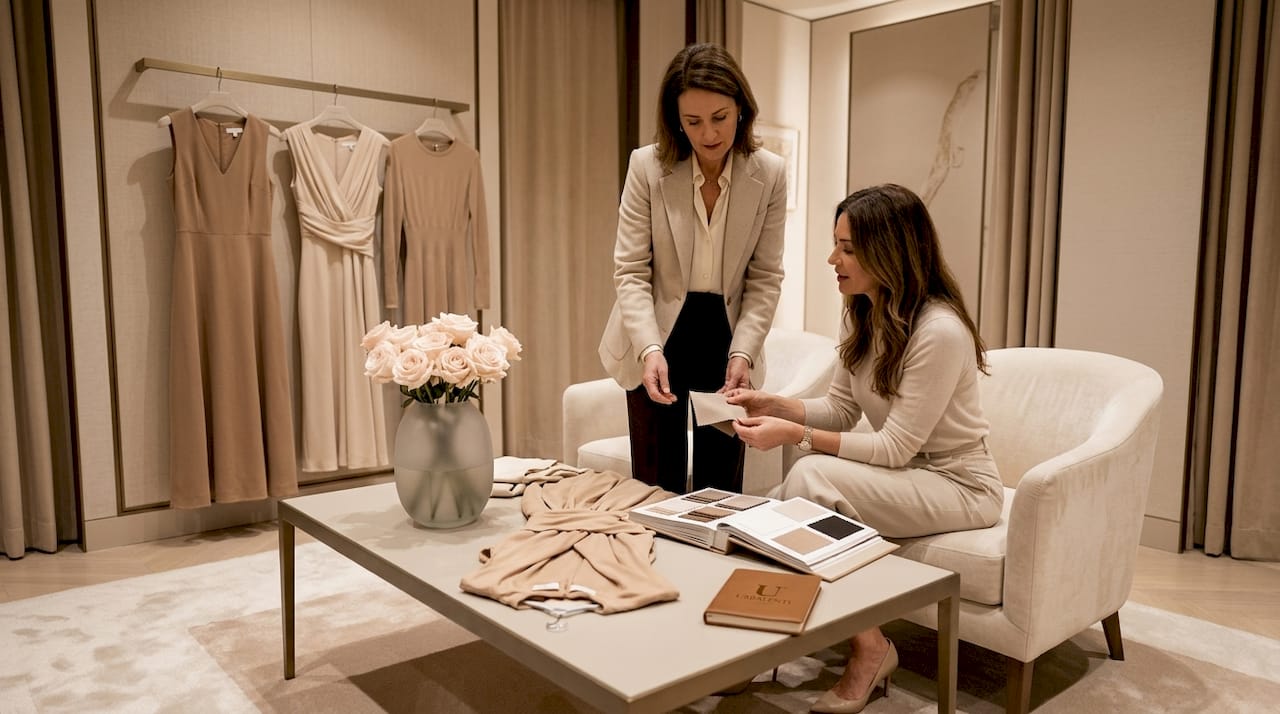
The physical space in a curated collection is not neutral. Professional installation and environment design directly shape how clients perceive and experience the pieces presented. Lighting specification, placement, and mounting are technical decisions that affect whether a garment reads as precious or ordinary. A Saint Laurent blazer on a crowded rack communicates differently than the same blazer presented alone under directional lighting in a private room.
NYC curated spaces typically share these design characteristics:
| Design element Purpose | |
| Private, no public hours | Removes ambient noise and crowd pressure |
| Controlled lighting | Directs attention and enhances material quality |
| Limited pieces per room | Prevents visual fatigue and encourages focus |
| Guided pacing | Allows time for context and storytelling per piece |
| Art and fashion integration | Positions garments as collectible objects, not commodities |
Curation in NYC is about crafting an intimate environment that guides discovery and appreciation, not just presenting inventory. Spaces like Thirty8East blend art, design, and fashion in a setting that encourages contemplative engagement. The social element matters too. Curated appointments often include conversation about the pieces, their provenance, and their context. That information changes how you relate to what you are buying.
Pro Tip: When visiting a curated space, ask the curator about the sourcing story for each piece you are considering. Knowing that a jacket was produced in a specific atelier or that a bag is from a limited production run gives you information that standard retail never provides.
The curated fashion approach, as explored in the designer edit at Urbalenti™ NYC, applies these same principles to online luxury retail: fewer, better-selected pieces with clear context for each one. The goal is the same whether the space is physical or digital. Reduce noise, increase signal, and give the client enough information to make a confident decision.
NYC curated designer collections deliver superior client outcomes because they replace volume with precision, guided by client input and controlled environments.
| Point Details | |
| Appointment-only access | Curated collections require advance booking; no walk-in access is available. |
| Limited selection by design | Three to five options per category are standard, matched to client constraints. |
| Preparation drives quality | Sharing occasion context, budget, and taste references before the appointment shapes the entire selection. |
| Scarcity reinforces value | Fixed reservation windows and timed events increase perceived and actual exclusivity. |
| Environment is functional | Lighting, pacing, and space design directly affect how pieces are perceived and valued. |
The most common mistake I see from first-time visitors to curated appointments is treating the session like a store visit. They arrive without references, give vague budget guidance, and then feel underwhelmed by the selection. The selection was underwhelming because the brief was underwhelming.
The second thing I have noticed is that people underestimate the value of the environment itself. When you sit with a single piece for ten minutes, with someone explaining its construction and context, you develop a relationship with that object that you cannot replicate by scrolling a product page. That relationship is what separates a purchase you wear for a decade from one you return in a week.
On the exclusivity question: the scarcity is real, but it is also a signal. When a presentation like FLOURE Studio’s IV Collection limits reservations to a narrow window, that restriction tells you something about the quality of what is inside. Brands and curators who are confident in their product do not need foot traffic. They need the right clients. If you are reading this, you are likely one of them.
The luxury fashion collections model that Urbalenti™ NYC applies online reflects the same philosophy. Curated in New York, sourced from Milan. The selection is not exhaustive by design. It is precise by intention.
— Admin Urbalenti
Urbalenti™ NYC applies the same curation principles described in this article to its online selection. Every piece is sourced from authenticated Italian suppliers, selected for quality and relevance to current NYC fashion direction.
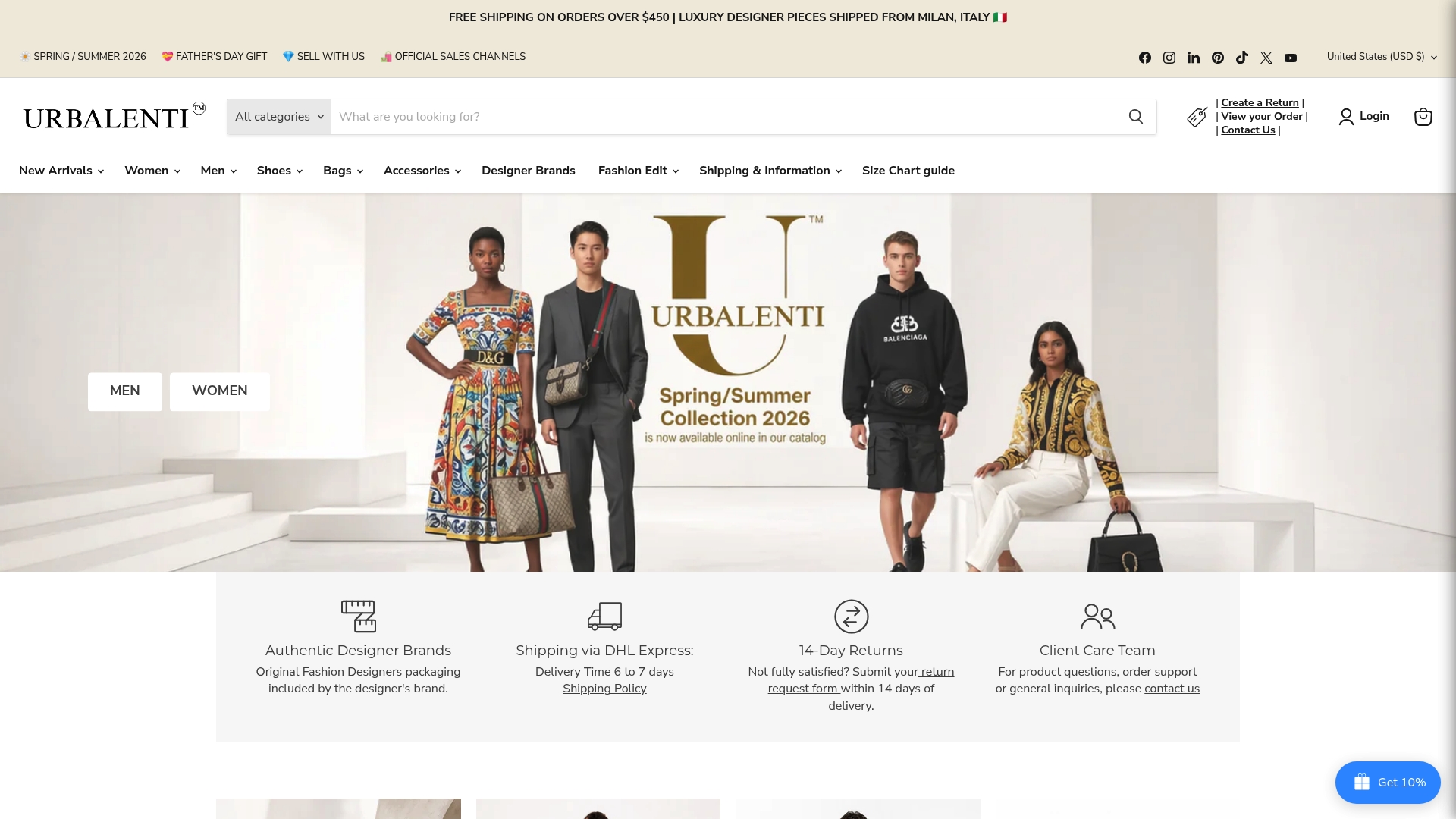
The current selection includes the Dolce & Gabbana 3.5 Handbag in leather, a structured piece that fits the appointment-only aesthetic of NYC curated collections. For footwear, the Golden Goose Super Star Sneakers in suede represent the kind of considered, limited-run selection that defines curated NYC fashion. Browse the full range at Urbalenti™ NYC, where every order ships worldwide via DHL Express with dedicated client support from selection to delivery.
NYC-curated designer collections are appointment-only presentations of luxury fashion where a curator selects a small number of pieces tailored to each client’s stated preferences, budget, and occasion. The model prioritizes guided experience and limited selection over broad inventory access.
Appointment-only, limited reservation windows prevent walk-ins and maintain the exclusivity that defines the curated experience. Restricting access increases perceived value and ensures each client receives focused, personalized attention.
Curators typically present three to five options per category or placement, matched to the client’s constraints. This deliberate limitation reduces decision fatigue and improves selection quality.
Bring a defined occasion context, a firm budget range, and three to five visual references from designers you currently wear. Send this information to the curator at least 48 hours before your appointment so inventory can be sourced specifically for your session.
Bergdorf Goodman offers broad floor access with hundreds of items per category. Curated collections offer private, appointment-only access to a small, client-specific selection. Bergdorf Goodman does use exclusive early access tactics for major launches, which is a curated mechanic applied within a traditional retail format.
Leave a comment