
MY WISHLIST
MY WISHLIST

TL;DR:
- A VIP shopping experience offers personalized, private retail services with curated products and exclusive amenities. Building an ongoing relationship with knowledgeable hosts unlocks early access and remote reservations that enhance the client’s experience. Preparation and clear communication are key to maximizing value in both in-person and online luxury retail.
A VIP shopping experience is defined as a private, personalized retail service that gives clients exclusive access to curated products, dedicated hosts, and amenities not available in standard retail. The term “VIP shopping” is the widely used consumer phrase, while the industry standard term is private client services or personal shopping. Both describe the same model: a structured, appointment-based format where the shopping environment is shaped entirely around one client or a small group. Urbalenti™ NYC operates on this principle, treating every client as a private client regardless of purchase size, with curated selections fulfilled directly from Milan.
A VIP shopping experience typically runs 2 to 6 hours, with costs ranging from complimentary at high-end flagship stores to approximately $50 for specialized service tiers. That range reflects the wide gap between entry-level private appointments and elite membership programs. Private tours at dedicated luxury venues generally require about 10 days’ advance notice, with confirmation expected within 48 hours of the appointment date.
The format varies considerably depending on the retailer and tier. At the accessible end, a private appointment means a reserved fitting room, a dedicated stylist, and a curated selection pulled ahead of your arrival. At the top of the market, the format looks entirely different.
Selfridges’ 40 Duke Street property offers a 25,000-square-foot hybrid space combining private shopping with full hospitality, accommodating groups of up to 25 people for stays of up to one week. That model treats the retail environment as a residence rather than a store. It is the clearest example of how far the private client services model has expanded beyond a simple appointment.
Common formats at a glance:
Pro Tip: Ask your host whether the appointment fee is credited toward a purchase or charged as a non-refundable service fee. The answer determines your actual cost of attendance.
| Format | Typical Duration | Typical Cost | Notice Required |
|---|---|---|---|
| Standard private appointment | 2–4 hours | Complimentary to $50 | 48 hours to 10 days |
| Membership tier access | Ongoing | Varies by tier | Varies |
| Exclusive shopping event | 2–3 hours | Invitation only | By invitation |
| Elite residential experience | Up to 1 week | Premium pricing | Weeks in advance |
Preparation determines the quality of the outcome. A well-prepared client gets a curated selection that fits their actual wardrobe. An unprepared client gets a generic assortment and a polite but generic experience.

VIP services commonly include a pre-appointment video consultation scheduled 1–2 weeks before the visit. That call is where you communicate your style preferences, sizing, budget range, and any specific pieces you want to see. Hosts use that information to pull inventory, arrange the space, and contact other departments or partner boutiques on your behalf. Skipping the pre-call is the single most common mistake first-time VIP clients make.
Steps to prepare effectively:
Pro Tip: If the retailer offers remote access to rare or incoming inventory, request it during the pre-call. Hosts can often reserve pieces before they reach the floor, which is one of the most underused perks in private client services.
Understanding the definition of luxury fashion helps you communicate your preferences more precisely during the pre-appointment consultation.
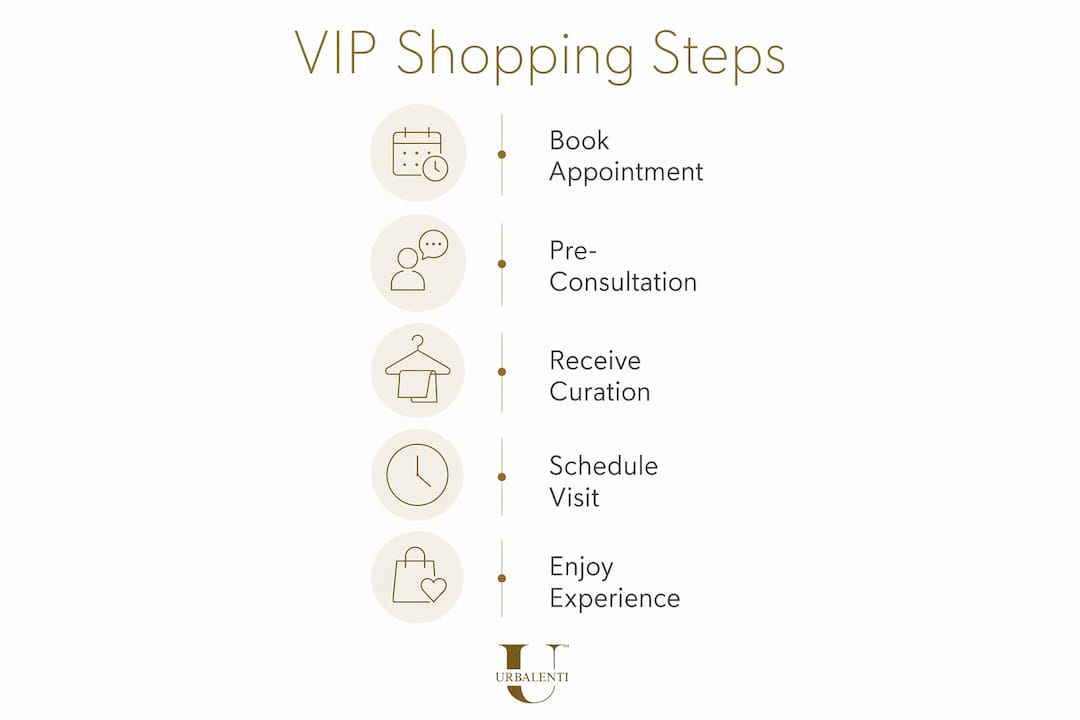
The most valuable perks in private client services are never advertised. They are unlocked through repeated visits and a genuine relationship with your host. Building trust through repeated VIP visits unlocks unadvertised perks such as early access to collections and remote reservations, enabled by hosts trained in hospitality rather than just product knowledge. That distinction matters. A host trained in hospitality manages your experience. A sales associate manages a transaction.
Insider knowledge that changes outcomes:
“The difference between a good VIP appointment and an exceptional one is almost never the products on the rack. It is the quality of the relationship between the client and the host. Hosts who know you well pull the right pieces before you arrive. That is the service you are actually paying for.”
Knowing how to shop designer fashion safely is equally relevant when extending your VIP wardrobe online between in-person appointments.
The best flagship stores are not retail spaces with hospitality added. They are hospitality environments with retail integrated. That distinction drives every design decision, from the placement of seating to the training of staff.
Saint Laurent’s flagship on Avenue Montaigne treats clients as guests in an immersive environment designed to embody the brand’s universe beyond transactional selling. The shift from selling to hosting is now a deliberate design philosophy at the highest tier of luxury retail. Hosting is treated as a skill, not a default behavior.
Four design principles that define elite VIP retail environments:
| Design Element | Purpose | Client Benefit |
|---|---|---|
| Dwell spaces | Reduce retail pressure | Clients feel welcomed, not sold to |
| Hospitality-trained hosts | Manage experience, not transactions | Personalized pacing and anticipation of needs |
| Art and culture integration | Deepen brand connection | Aspirational lifestyle association |
| Curated social events | Reinforce client relationships | Access to exclusive programming |
The brand authenticity that drives these environments is the same quality that separates a curated luxury retailer from a general fashion platform.
A VIP shopping experience delivers genuine value only when clients prepare thoroughly, build lasting relationships with their hosts, and understand the specific service tier they are accessing.
| Point | Details |
|---|---|
| Preparation drives outcomes | Complete the pre-appointment consultation 1–2 weeks in advance to get a curated, relevant selection. |
| Relationship unlocks perks | Repeated visits with the same host produce early collection access and remote reservations not available to new clients. |
| Fee clarity prevents surprises | Confirm whether appointment fees are purchase credits or non-refundable service charges before booking. |
| Amenities vary by tier | Private lounges, refreshments, and styling consultations are not universal. Confirm what is included at your specific level. |
| Flagship design is intentional | Elite retailers design dwell spaces and train hosts in hospitality to make clients feel welcomed rather than sold to. |
By Admin Urbalenti
The most significant shift I have observed in luxury retail over the past several years is not the expansion of private appointment programs. It is the change in what those programs are actually designed to do. The best ones are no longer designed to sell. They are designed to make the client feel known.
That sounds like a subtle distinction. In practice, it changes everything. A retailer that designs for selling creates pressure, even when the pressure is politely applied. A retailer that designs for hosting creates an environment where the client makes decisions confidently, on their own timeline. The Saint Laurent Avenue Montaigne flagship is the clearest example I have seen of this philosophy executed at scale.
What I find underappreciated is how much of the VIP experience depends on the client’s own preparation. The clients who get the most from private appointments are the ones who arrive with a clear sense of their wardrobe direction. They know which designer collections align with their style, and they communicate that clearly during the pre-call. The host’s job becomes precision rather than guesswork.
The online equivalent of this model is what Urbalenti™ NYC has built. Every client receives attentive, personalized support from product selection through delivery. The curation is done in New York. The fulfillment comes from Milan. That combination produces the same confidence a well-run private appointment produces: you know what you are getting, and you know it is authentic.
— Admin Urbalenti
Urbalenti™ NYC brings the private client services model online. Every order receives personalized support from selection through delivery, with authentic designer pieces curated in New York and fulfilled from Milan via DHL Express.
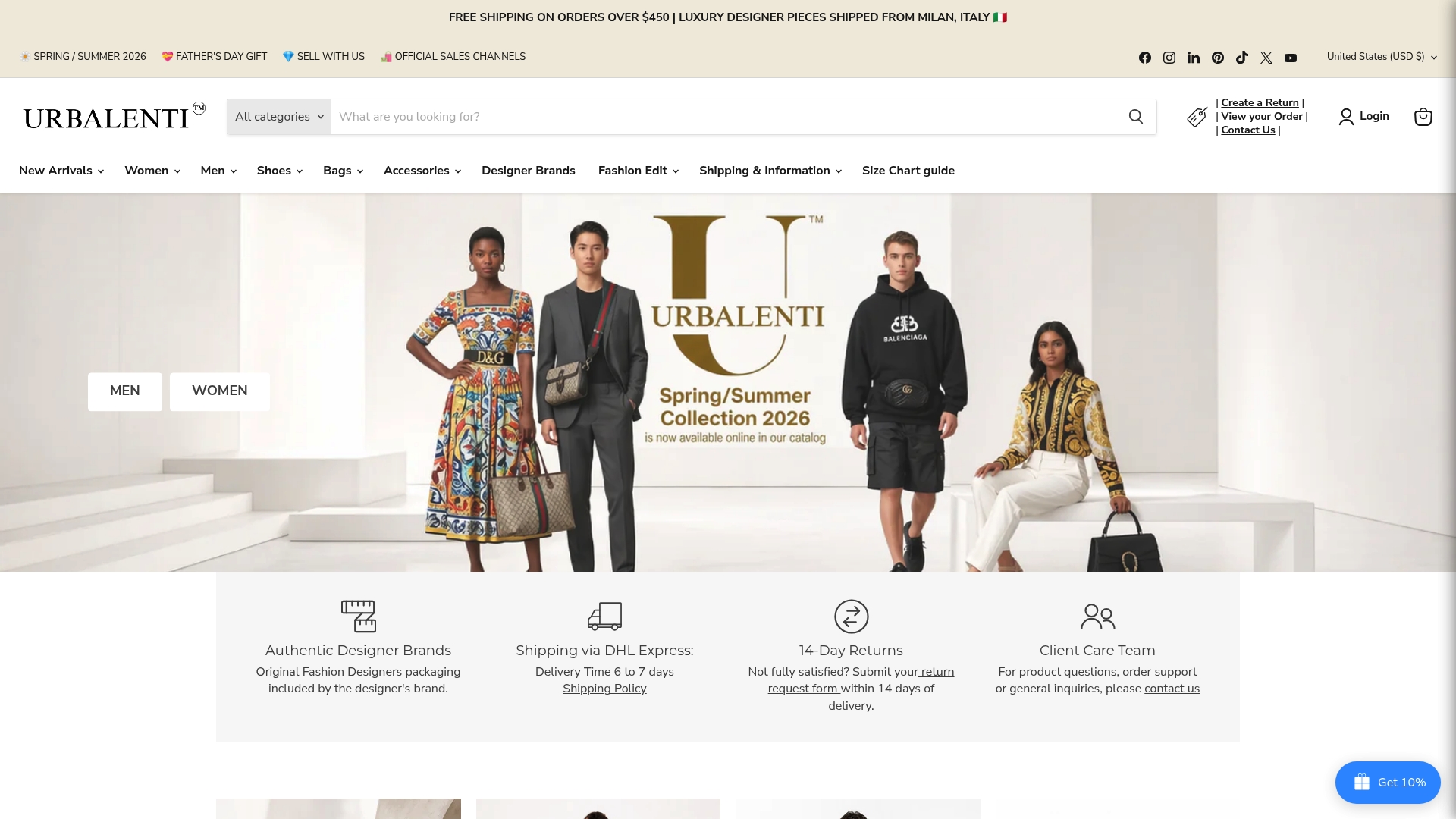
The catalog includes pieces from Saint Laurent, Valentino, Givenchy, Gucci, Emporio Armani, Golden Goose, and many others. Whether you are building a wardrobe around a single statement piece like the Dolce & Gabbana Sicily handbag or adding a considered accent with Jimmy Choo sneakers, every piece ships with full authenticity assurance and dedicated client support. No appointment required. VIP-level attention, delivered to your door.
A VIP shopping experience is a private, appointment-based retail service that provides personalized styling assistance, curated product selections, and exclusive access not available in standard retail. The industry standard term is private client services or personal shopping.
VIP shopping appointments typically last 2 to 6 hours, depending on the retailer and service tier. Elite residential experiences can extend up to one week for ultra-high-net-worth clients.
Costs range from complimentary at high-end flagship stores to approximately $50 for specialized tiers. Some fees are non-refundable service charges rather than purchase credits, so confirming the fee structure before booking is necessary.
Most private appointments require at least 10 days’ notice, with confirmation expected within 48 hours of the appointment date. Elite or residential experiences require several weeks of advance planning.
Amenities like private lounges, refreshments, and personalized styling consultations are common but not universal. They are often reserved for higher membership tiers, so confirming what is included at your specific level before arrival is the right approach.
Leave a comment